Full home renovations · Valencia
Full home renovations in Valencia, turnkey and at a fixed price
The whole house under one site manager: layout, services, kitchen, bathrooms and finishes, in the order that keeps the job moving. We are a Spanish building company with 35+ years behind us in La Eliana and Valencia, we build with our own in-house team, and the price goes in writing before anyone lifts a tool — with every stage of it put to you in English.
Ask for your fixed quoteCall · +34 632 224 555Renovating a whole house is one of the largest — and most demanding — decisions a family makes. Behind every full home renovation sits a mixture of excitement and entirely reasonable fear: that the price will run away, that the job will drag on for months, that nobody will own the problem when something does not add up. We have spent more than 35 years carrying out full home renovations in Valencia, La Eliana and the Camp de Túria, and that fear almost never comes from badly laid tiles. It comes from a lack of coordination and a lack of information.
Which is why we work the other way round from how the trade usually does. Rather than you chasing a plumber, an electrician and a builder who never speak to one another, a single site manager sets the phases, brings each trade in at the right moment and tells you where the job actually stands. You take the decisions that matter; we make the pieces fit, and hand the house back on the date we gave you for the price we signed.
It changes nothing whether this is the house you already live in and have finally decided to sort out, a flat you have just bought to strip back to the brickwork, or a property you only occupy part of the year. Nor does it matter if your Spanish runs out somewhere around the builders’ merchant: the quote, the weekly decisions and the town hall file all reach you in your own language. This is the service that holds the whole thing together — design, licences, build and turnkey handover.
01 The whole house
What a full home renovation includes
Every room renewed to the same standard and finished at the same time, so the result reads as one house — not as a decade of separate repairs stitched together.
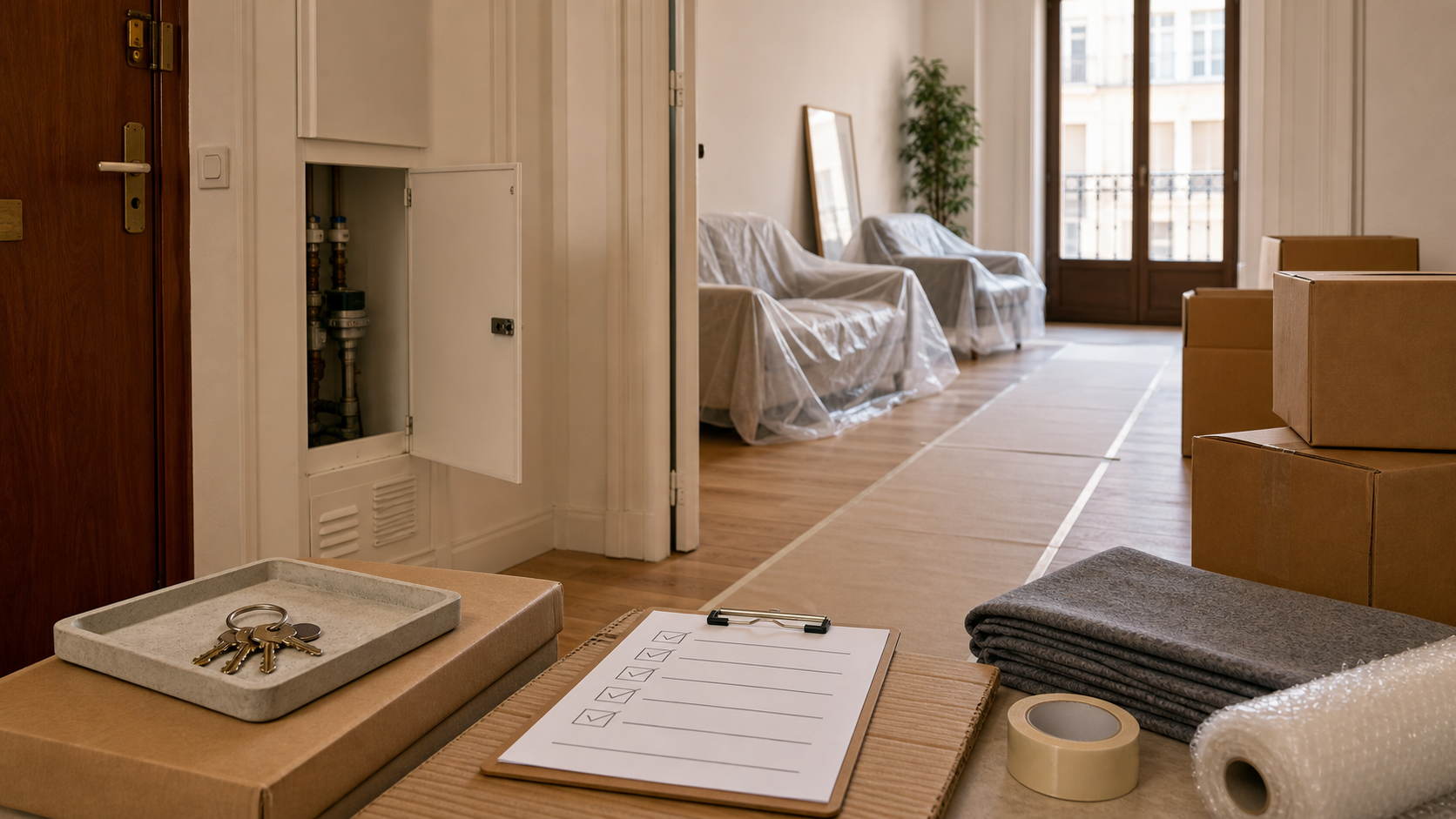
Layout and building work
We redraw the plan to gain light, space and a route through the house that works, taking walls down and putting them up with the structure checked first.
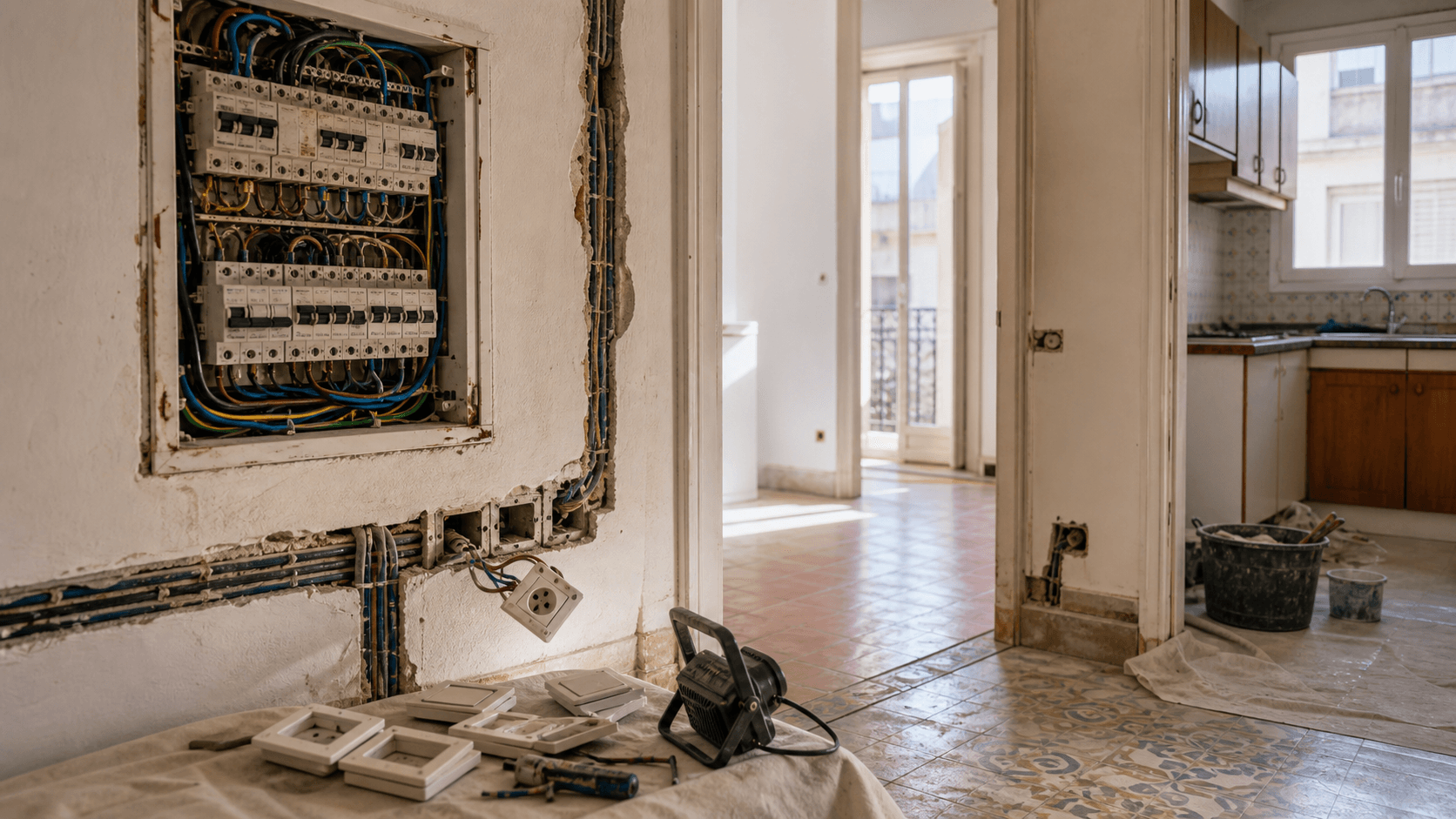
Services, start to finish
Plumbing, electrics, climate control and drainage replaced outright and brought up to current regulations, sized for how the house is actually used.
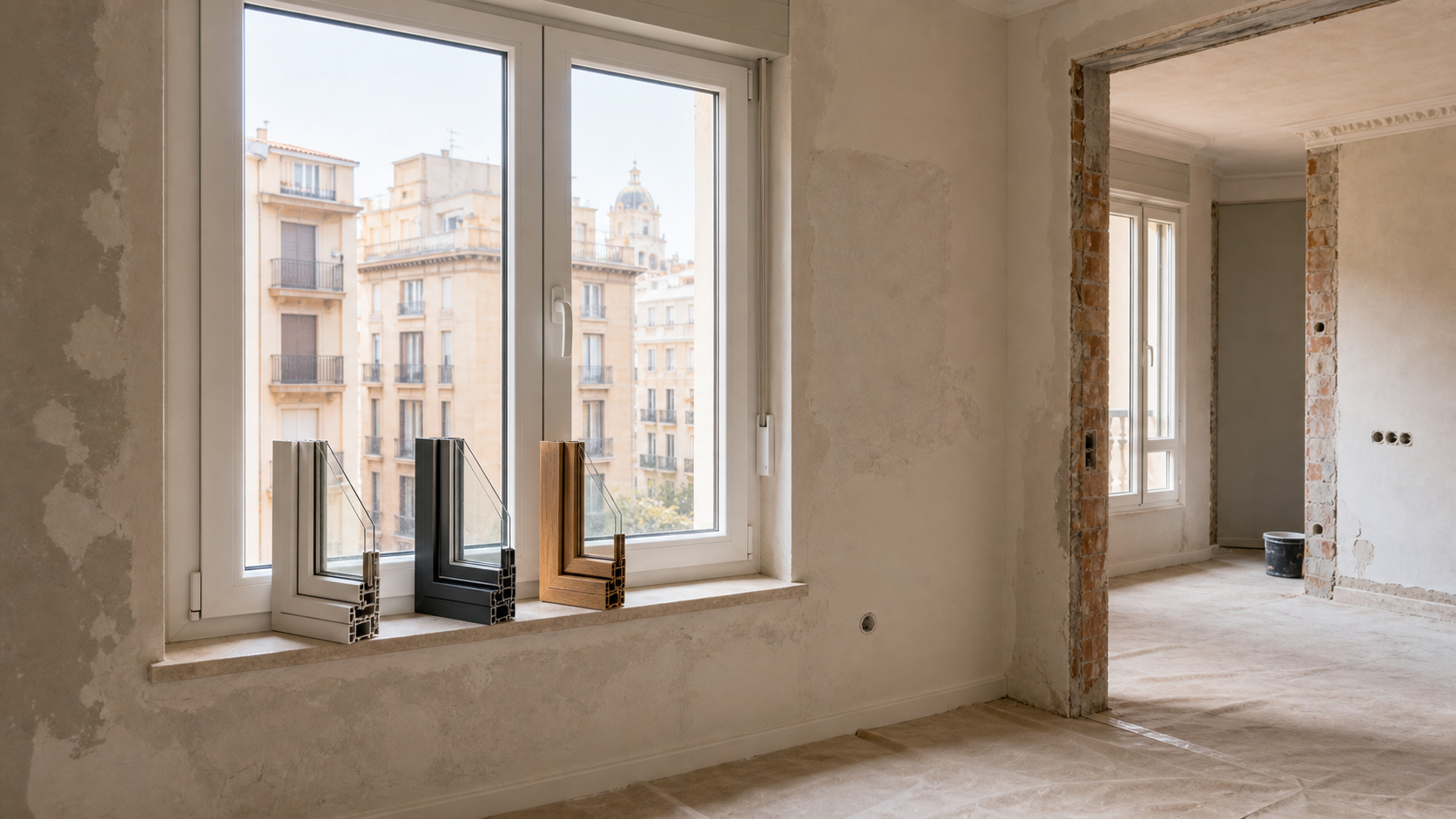
Joinery and wardrobes
Doors, windows, fitted wardrobes and made-to-measure joinery, chosen for insulation and for how they will look in ten years, not ten weeks.
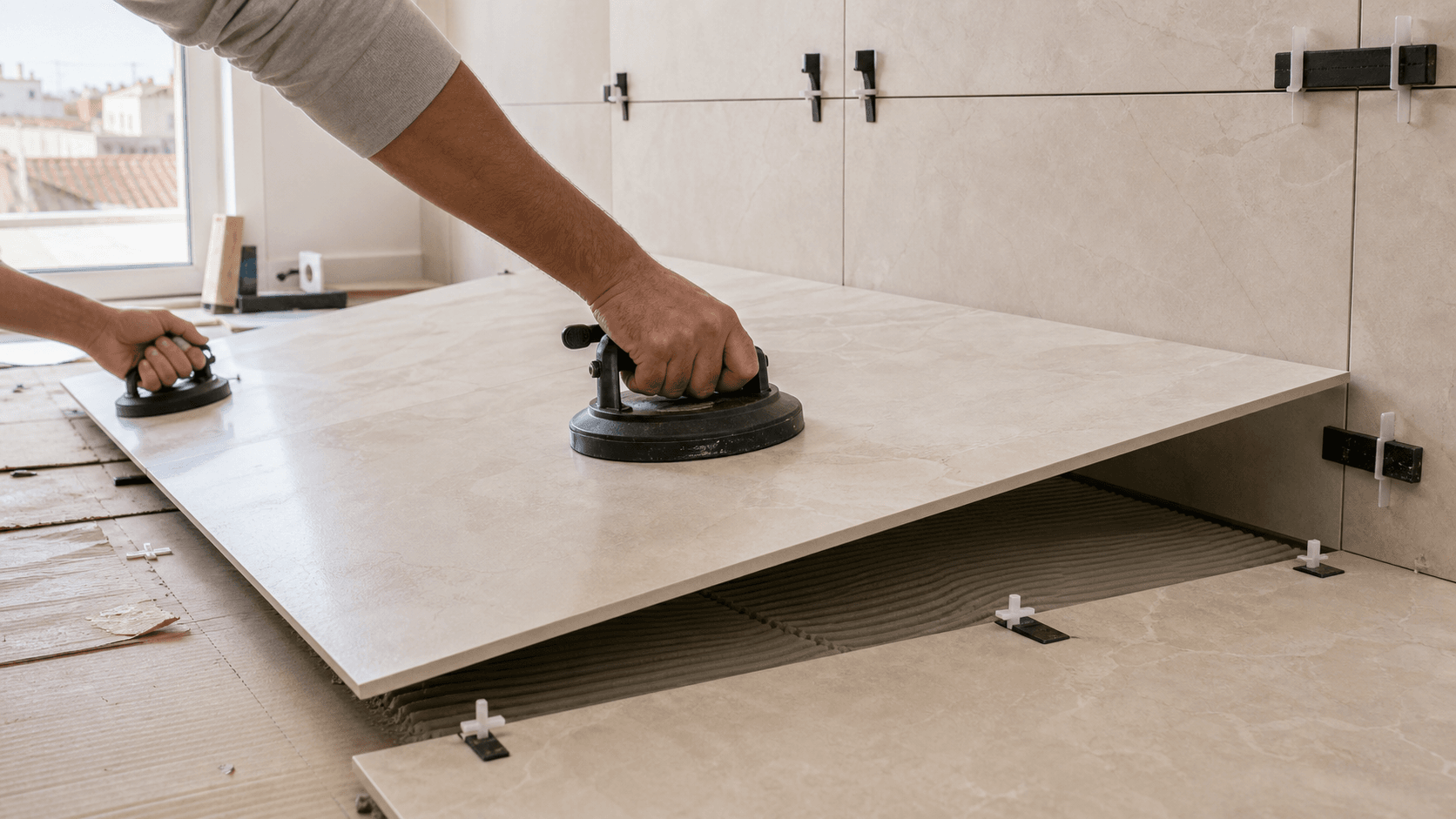
Floors and wall finishes
Flooring, tiling and wall finishes picked for wear as much as for looks, and kept consistent from the hallway through to the last bedroom.
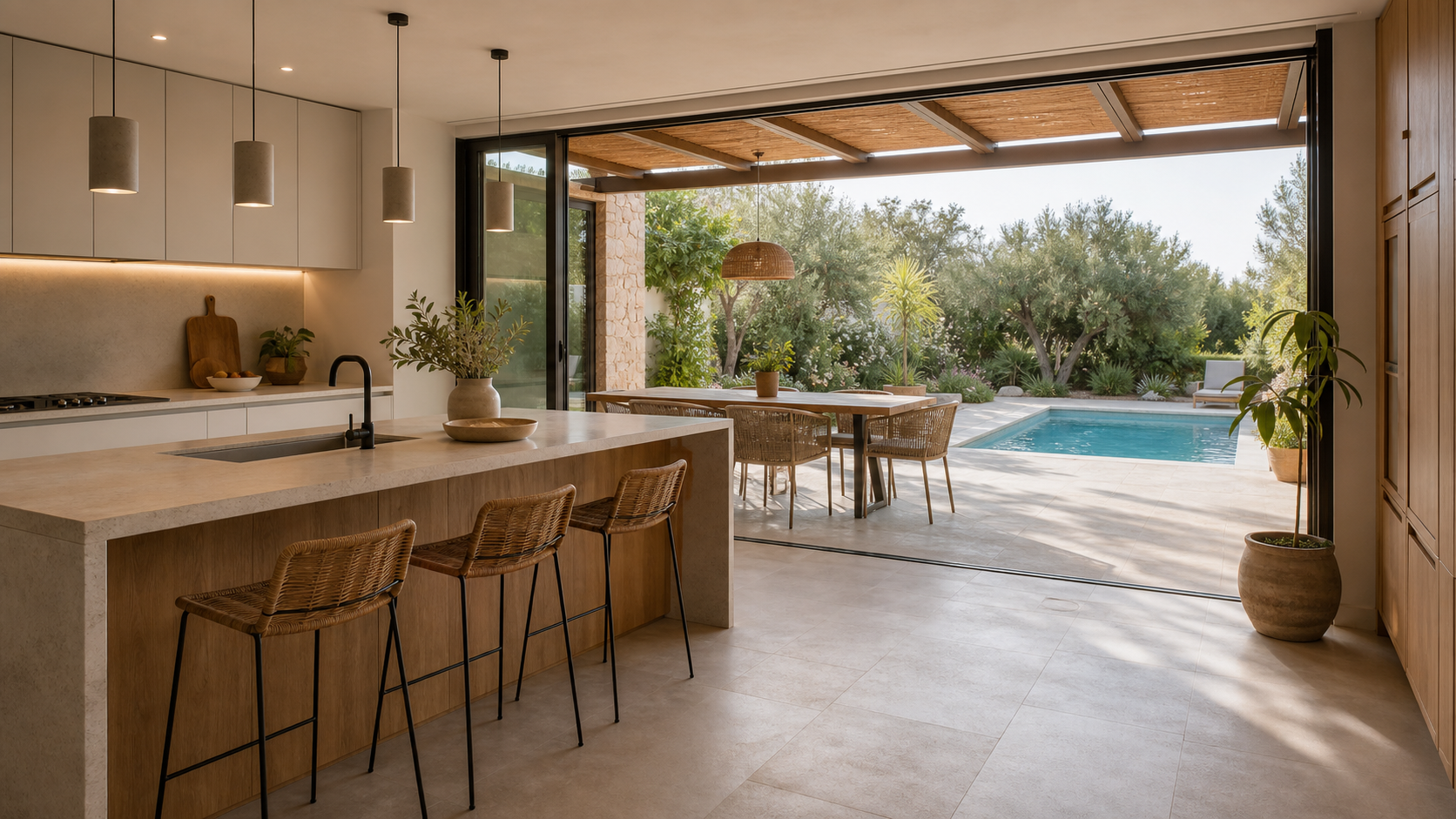
Kitchen and bathrooms
The wet rooms rebuilt in full — the most technical corners of any house — and detailed so they belong to the same house as everything around them.
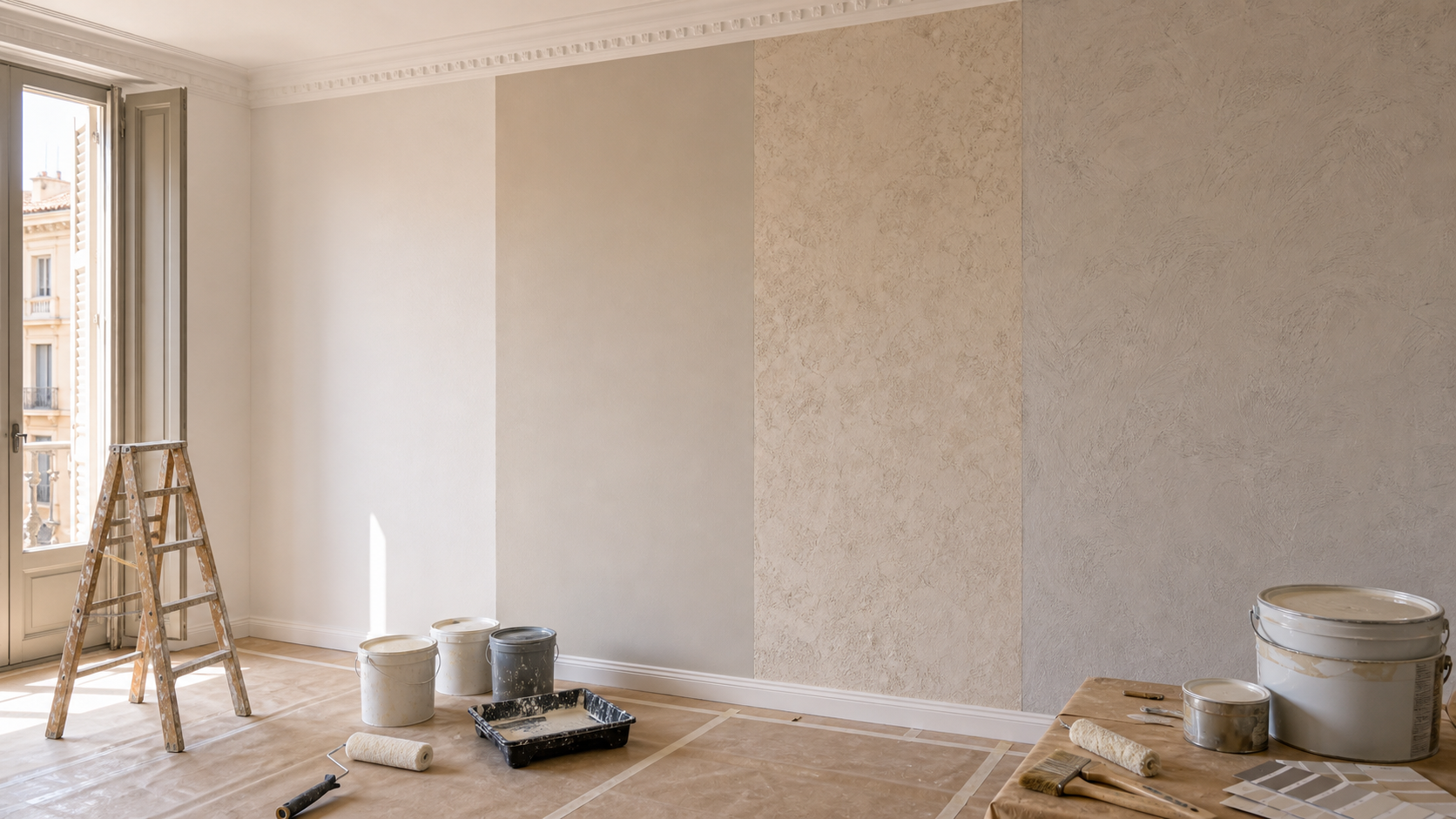
Painting and final touches
Junctions, skirtings, painting and the last details, then the post-build clean, so the house you walk back into has nothing left outstanding.
Only one room on your mind? There are separate pages for kitchen renovations and bathroom renovations, and if the house is detached with a garden and a pool around it, start with villa renovations.
02 Scope
Full or partial: how to tell which one you need
A full home renovation renews the property in its entirety — layout, services, floors and walls, joinery and finishes. A partial renovation stops at one room or one specific job and leaves the rest of the house alone.
Going the whole way is usually the cheaper decision when several of these are true at once: the plan no longer suits how you live, the wiring and plumbing are at the end of their life, you have just bought an older property, or the faults are piling up — damp, thin insulation, tired floors, windows that rattle — and dealing with them one at a time means opening the same wall three times.
If it really is one area you are after, look at our partial renovations instead. And if you genuinely cannot tell, we will say so straight on the site visit, even when the honest answer is a smaller job than the one you asked us to price.
03 Your property
Choose your situation
Four starting points cover almost everything we are called out to around Valencia. Pick whichever looks most like yours.
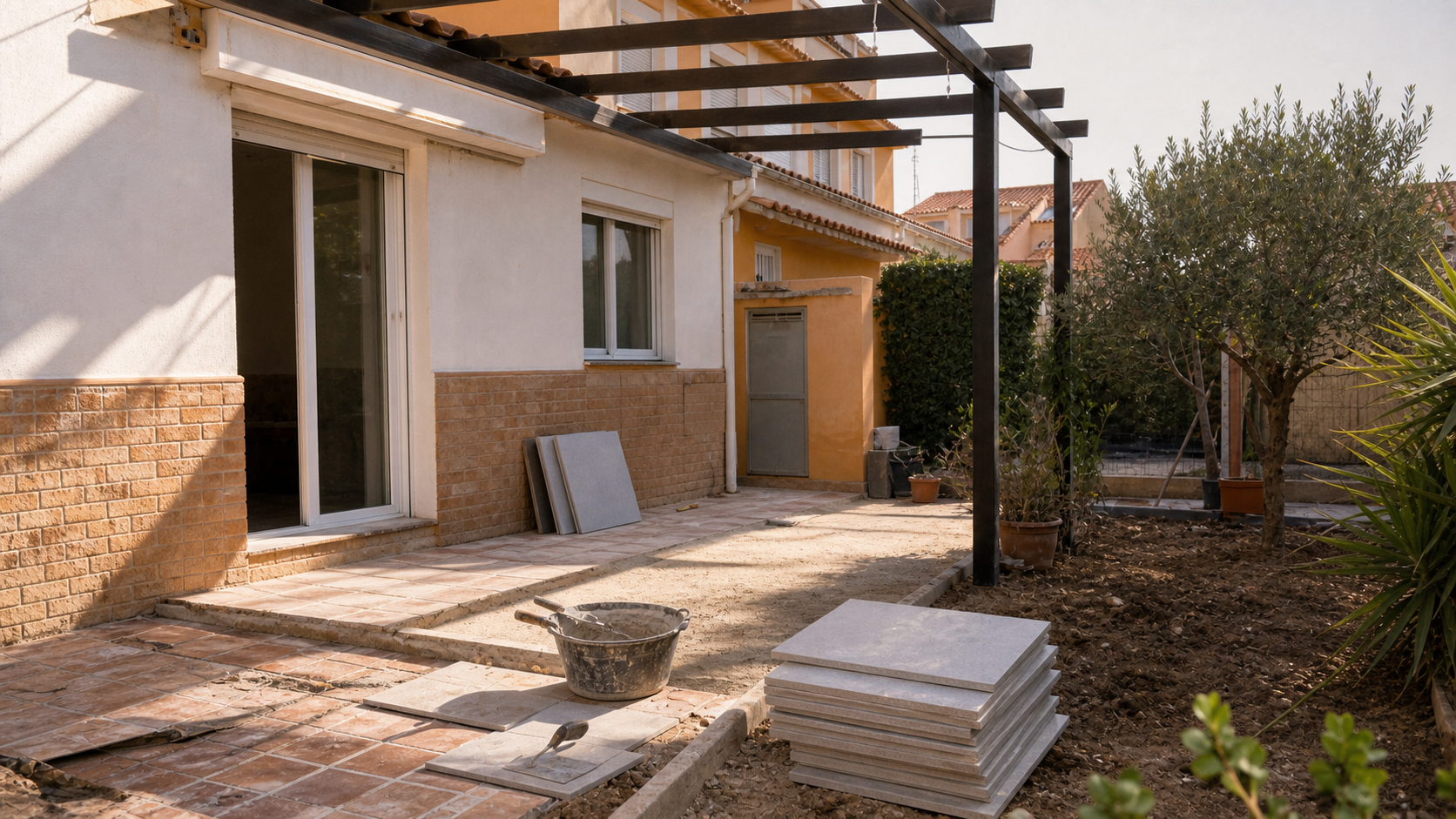
Villa or townhouse
A detached or semi-detached house with outdoor space and, often, a pool. The job: get the inside and everything around it finished together.
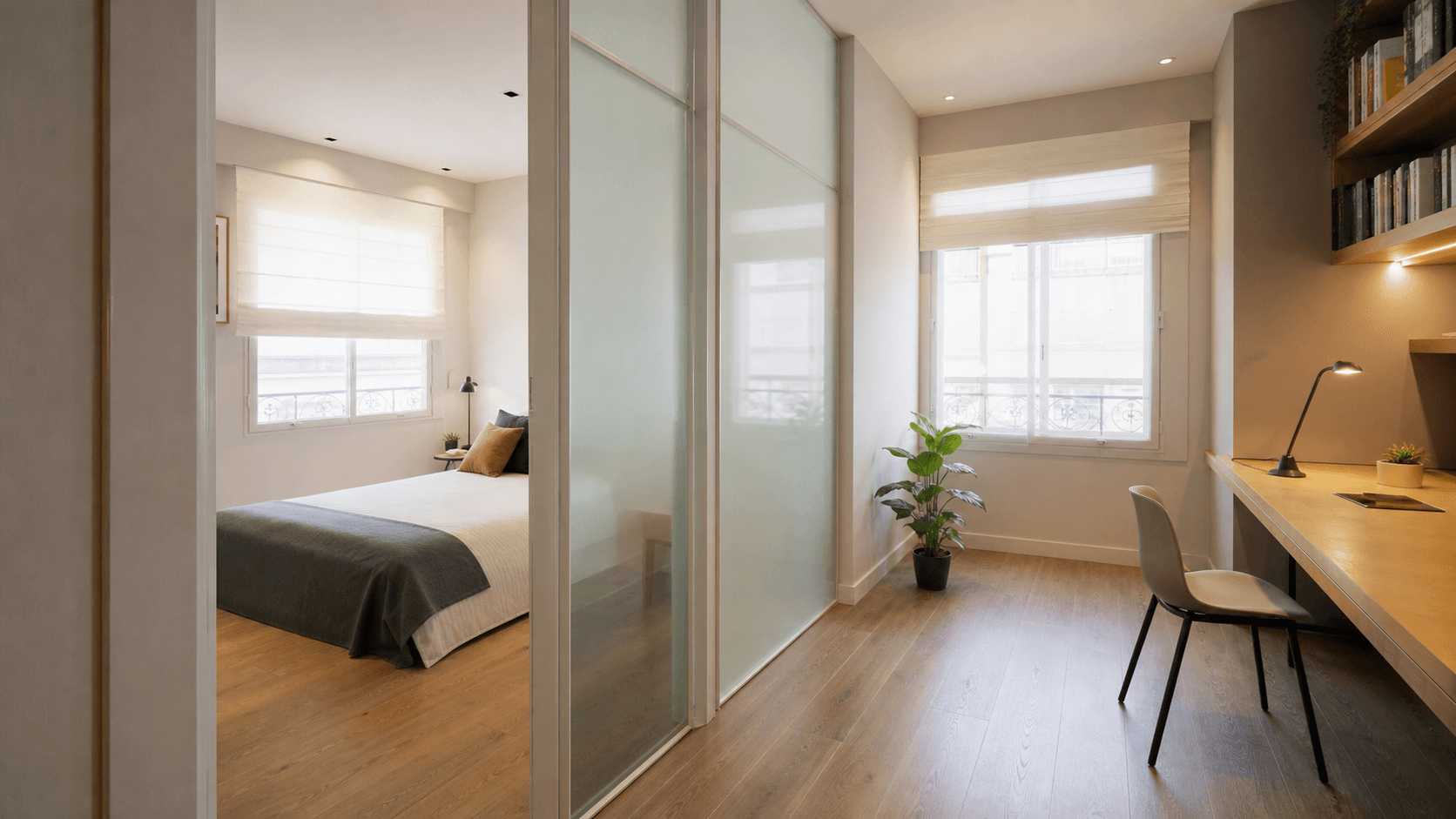
City flat
The tall-ceilinged flats of the Eixample and Ruzafa, heavy with partition walls. The job: open them up and replace the services without stripping out the character.
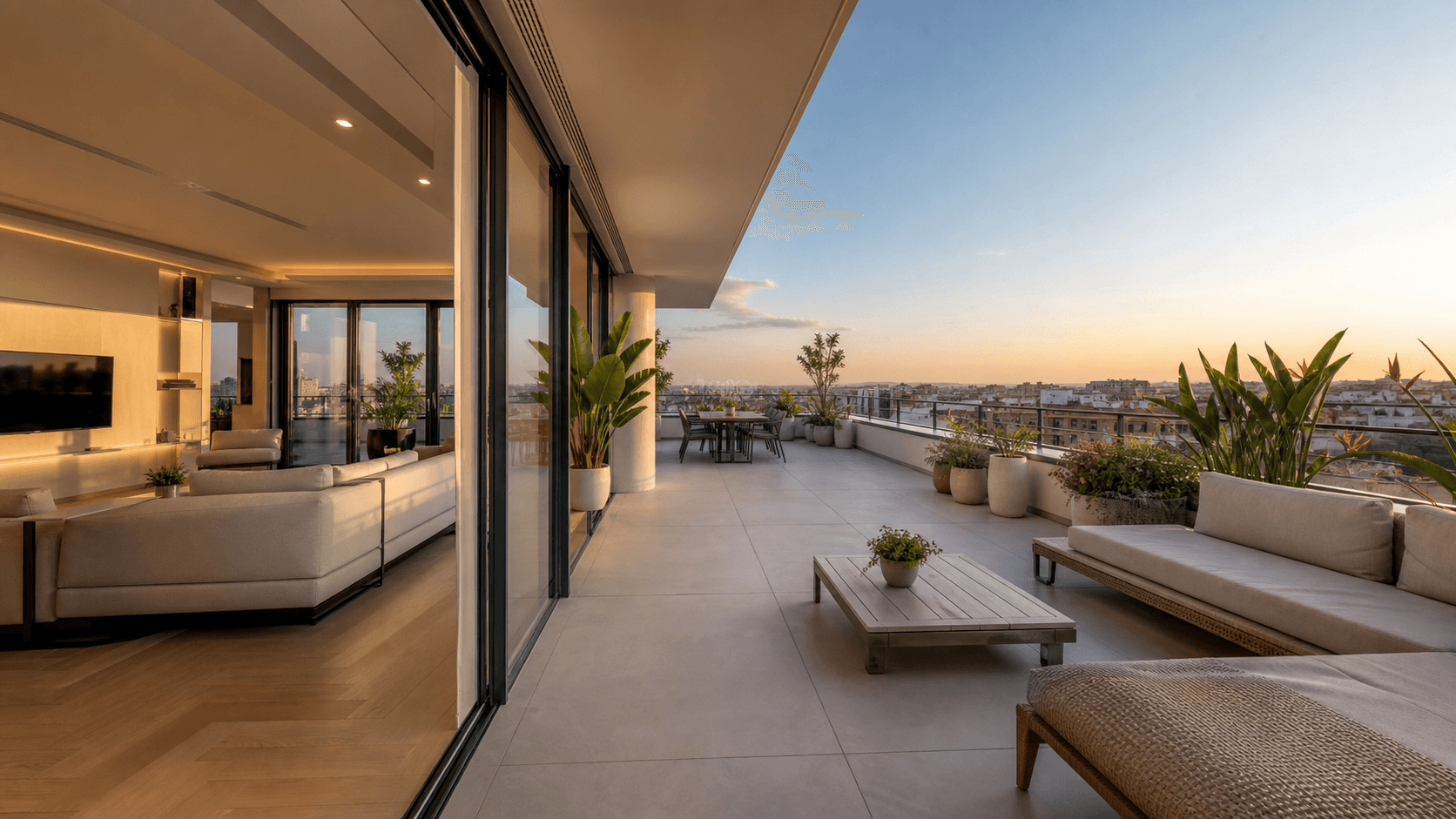
Penthouse or duplex
Split levels, an internal stair and a terrace doing half the work. The job: the light, the connection between floors and a building envelope that behaves.
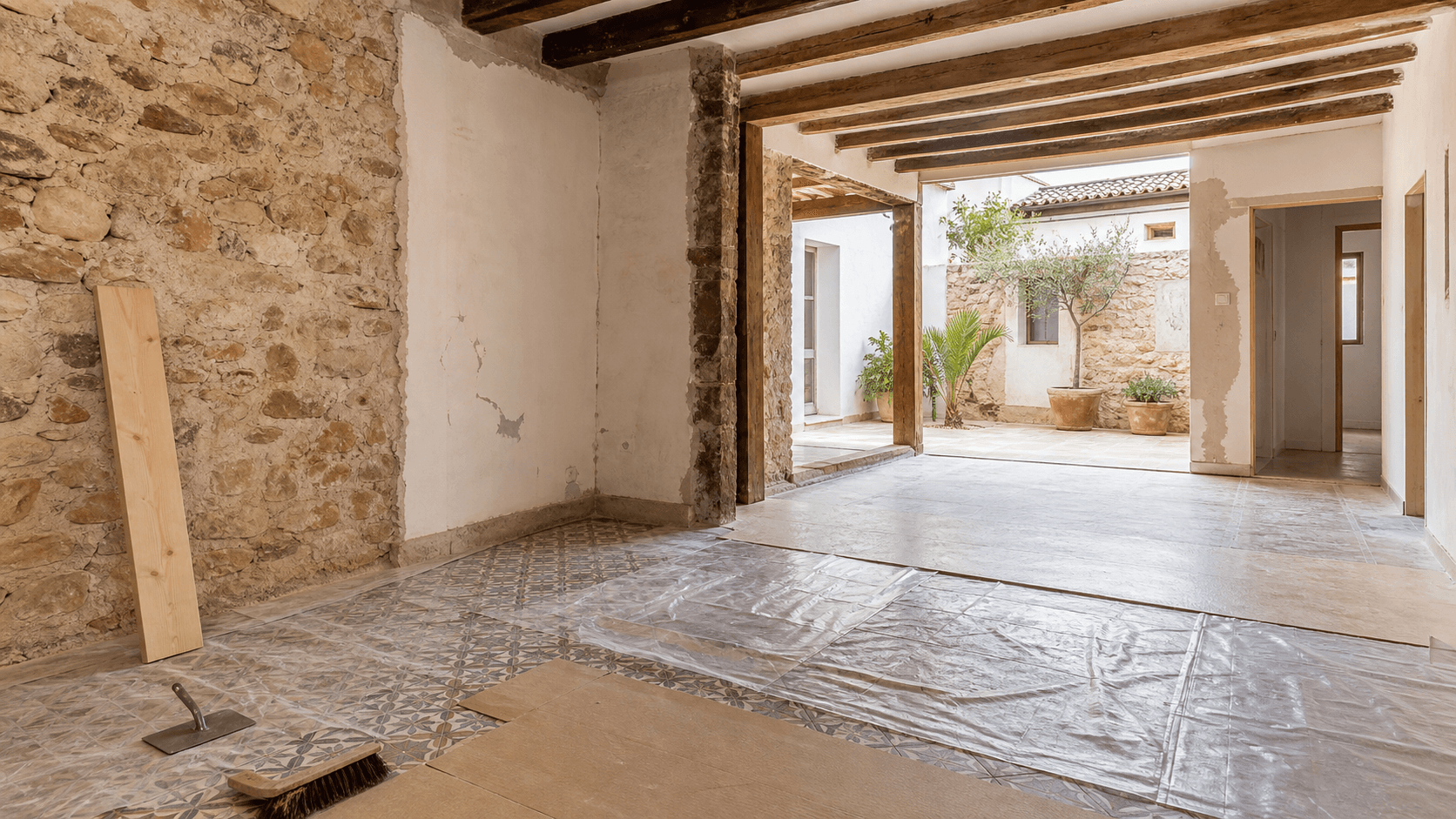
Village house
Load-bearing walls, timber floor structures and a patio somewhere in the middle. The job: structure first, then damp, then the insulation it never had.
By property type
What changes according to the kind of home
You do not renovate a flat in the city the way you renovate a detached house with a garden. These are the traits that keep coming up around Valencia and its metropolitan belt, and what we do about them.
A flat in Valencia city
Flats in the Eixample and Ruzafa tend to come with high ceilings, a great many partition walls and original joinery that is worth saving. The work is to open the plan up and replace the services without flattening the character: mouldings and hydraulic floor tiles recovered where they deserve it, wiring and plumbing renewed outright, because in a building of that age they are almost always finished. In 1960s and 1970s blocks the emphasis shifts to redistributing rooms, insulating and cutting what the flat costs to run.
A detached house or townhouse
In a house of your own the renovation does not stop at the front door: façade, terrace, porch, garden and pool all belong to the same job. We aim for one continuous move from inside to out — wide openings, a floor that carries onto the terrace — and we watch the insulation and the climate system closely, because a detached house leaks far more energy than a flat. It is the ground we know best: see our villa renovations.
Penthouses, duplexes and village houses
Penthouses and duplexes live off their light and their terraces, so the building envelope and the way the floors connect decide the result. Older village houses, common right across the Camp de Túria, ask to be read from the structure upwards — load-bearing walls, timber floors — then damp drawn out of the ground-floor walls and insulation added where there has never been any. In all of them the site visit tells us where we are starting from before anybody promises anything.
04 How it is run
Turnkey, with one person answering for it
Most of what goes wrong on a renovation is not one piece of poor workmanship. It is coordination: trades that do not talk, dates that collide, and nobody carrying the whole. Hire the builder, the plumber and the joiner separately and the person conducting that orchestra ends up being you — with a day job, no technical training and the work going on in your own hallway.
With us a single site manager sets the sequence, brings in building work, plumbing, electrics, joinery and painting in the right order and keeps you posted while it happens rather than afterwards. Fewer surprises, dates that hold, and an orderly run through to turnkey handover: the house comes back to you clean, checked and ready to live in.
In your language
Your renovation, explained in English while it happens
We are a building firm from here: registered here, buying from local merchants, with our own tradespeople on the van. That is the argument. English is not the product — it is how the work gets to you. Whoever prices your house and whoever runs it day to day both speak it, so you are never the last person to learn what is happening inside your own home.
- One name and one number. Whoever walks round the house on the first visit is whoever hands the keys back to you at the end. Not a switchboard, and not a different person every time the phase changes.
- A quote you can actually read. Each trade on its own line with its own figure, gone through with you before you sign — so you can see what is inside the price and, just as usefully, what is not.
- The town hall file, prepared and lodged by us. Structural work goes in under a building licence (licencia de obra), lighter work under a responsible declaration (declaración responsable), and we tell you plainly what each document commits you to before your name goes anywhere near it.
- Anything that changes, on paper. A wall that has to go, a pipe found rotten, a worktop you would rather swap: it is priced and agreed in writing first. Nothing important gets settled in a hallway conversation you could not follow.
The documents themselves stay in Spanish, naturally: town halls here issue their licences in Spanish and no building company is going to alter that. What we can do is make sure not one line of them is signed by you until you have understood it. The longer argument for using a Spanish company that works this way is on our page for English-speaking builders in Valencia.
05 The investment
How much a full home renovation costs in Valencia
No two houses land in the same place, but there are market ranges that let you get your bearings before you ask anybody for a price. These are indicative; the real figure is fixed after the site visit.
| Level of renovation | Indicative price | What it usually covers |
|---|---|---|
| Refresh, entry level | €400–€600 per m² | Finishes renewed, painting, new floors and a tidy-up of kitchen and bathrooms, with the plan of the house left as it is. |
| Mid-range renovation | €600–€900 per m² | Moderate changes to the layout, wiring and plumbing replaced, kitchen and bathrooms rebuilt in full, new joinery and finishes that last. |
| High end | €900–€1,400+ per m² | The plan completely redrawn, home automation and climate control, underfloor heating, top-tier materials and a design worked out room by room. |
These are market observations for Valencia in 2026 and nothing more: no quote, no offer, no commitment. To put a shape on them, a 90 m² flat at mid-range level tends to sit around €54,000–€81,000. Your house will have its own number, and it appears once we have stood in it.
What actually moves the figure
Four things, in roughly this order: the floor area; the condition you are starting from, because an older, tireder house needs work done before the work you can see; how far the layout and the services change, since moving a bathroom is a different job from retiling one; and the quality level you choose for floors, joinery, kitchen and bathrooms. Access matters more than people expect too — carrying materials up to a fourth floor with no lift is a real line on a real quote.
Which is why we would rather hand you a fixed price after the site visit, broken down trade by trade, than a rate per square metre that turns out not to fit your house. The figure you sign is the figure you pay, and anything found behind a wall is costed and put to you in writing before it is touched. The whole method is set out on how we work.
Where the money should go
How to manage the cost without giving up what matters
Bringing a renovation inside a number is not a matter of picking the cheapest of everything. It is knowing what to spend on and what to leave alone. After 35 years, this is what we tell people who have a firm limit and no wish to regret it.
Never economise on what disappears behind the plaster. Pipework, wiring, waterproofing and insulation are the invisible half of the house. Saving there is the most expensive decision on the table, since correcting it afterwards means taking up a floor and a wall you have already bought once.
Finishes and furniture are where you can flex. The porcelain, worktops and joinery available now are good enough that the sensibly priced option and the expensive one read the same to anybody walking through the door. A treat — an island, a special wall finish — can wait for later, provided the design leaves room for it.
Doing it in phases is perfectly respectable. If the number will not stretch to everything, we plan the work so the things you cannot redo cheaply (services, bathrooms, kitchen) happen now, and the rest can follow without undoing any of it. The one condition is that the design knows from the start where you intend to end up.
Ready to put a number on your house?
Send us the floor area, the age of the property and what you want it to become. An answer comes back inside 24–48 hours, written in English, and it commits you to nothing.
Price my renovation06 The Batecs method
How we run your full home renovation
Six phases, from the first knock on the door to the day the keys come back to you.
Site visit and advice
We walk the house with you, look at the real condition of structure and services, and listen to how you want to live in it. No charge and no obligation.
Design and proposal
Layout, quality levels and scope pinned down, with drawings and a written quote itemised trade by trade rather than summed up on one line.
Licences and planning
We prepare the file your town hall asks for, submit it, and tell you what it says and roughly how long that town hall usually takes. Dates are set once it is in.
Coordinated build
Our own team on site, every trade sequenced by one site manager so nobody arrives to find the previous phase unfinished.
Quality control
Each phase checked as it closes, not at the end, and you kept up to date while there is still time to change something.
Turnkey handover
We go through the finishes with you, put right anything on the list and hand the house back clean and ready to move into.
Phase three is the one people worry about most, and it is the one you have least to do with: we prepare and submit the paperwork your town hall requires — a building licence for the heavier work, a responsible declaration for the rest — and we explain what each document means before it goes in. What is signed off at the end, and by whom, is set out on how we work.
Step by step
The phases of a full renovation, seen from inside
Beyond the six-step summary, this is what a house actually goes through once we start. Knowing the order explains why the dates are what they are, and why the coordination is worth paying for.
1. Strip-out and preparation
Everything that is not staying comes out — partitions, floors, sanitaryware, old services — and the rubble goes with it. It is fast and filthy, and it is where the hidden surprises of an older house show themselves: a soil pipe that has gone, a beam that wants reinforcing. That is precisely what the site visit beforehand is for.
2. Building work and “first-fix” services
The new plan goes up and, before anything is closed in, the plumbing, electrics, climate control and drainage are run and left visible for checking. It is the least photogenic phase and by some distance the most important: nothing done well here will ever be seen, and it is what keeps the house out of trouble for the next twenty years.
3. Floors, tiling and wall finishes
Now the floors and the wet rooms arrive, and the house starts to look like the drawings — porcelain, microcement, worktops. It asks for fine coordination between builder, plumber and electrician so that sockets, wastes and joints all land where they were meant to.
4. Joinery, painting and final touches
The doors, wardrobes and windows go in, the painting is done and the details are closed off. This is where a careful job separates itself from a rushed one: the junctions, the skirtings, the silicone. We finish with the post-build clean and a walk round with you before the keys change hands.
Through all four you have one person who tells you where the work is and what comes next. Nobody finds out about a problem in their own house at the point where it can no longer be fixed.
07 The decision
One site manager, or five separate trades?
The difference is not the day rate. It is who answers when the whole thing has to fit together.
You run the job
- Five quotes written to five different assumptions, none of which add up.
- When something is wrong, each trade points at the one before.
- Dates slip because nobody owns the calendar.
- Every surprise lands on you, in office hours.
- The total is only knowable once the last invoice arrives.
We answer for the whole
- One written quote, itemised, covering every trade in the house.
- One person responsible, and the same person all the way through.
- Phases planned in sequence, with dates we intend to keep.
- We handle the trades and the town hall; you make the choices.
- You know the total on day one, in writing.
If you are not here all year
When the house is empty and you are not
Some of the houses we take on belong to people who are only in Valencia for part of the year, and a full renovation is the worst possible job to try to follow from three countries away. How it gets built does not change. How you hear about it changes completely.
You get photographs as each phase closes: what finished this week, what starts next, and anything opened up that alters the picture. Whatever genuinely wants your own judgement — a floor tile, a worktop, whether a wall stays — is settled by video, walking you round the room live instead of describing it in a paragraph.
Somebody still has to open the house, take in deliveries and let the trades through the door, and that somebody is us — the same site manager every week. Nothing beyond the signed quote is carried out until it has been costed and you have said yes, so there is never an invoice waiting for you that you knew nothing about. And the finished work is photographed and documented at handover, so you know exactly what you are walking back into.
08 Finished work
Whole houses we have taken on
Three of the properties we have renovated end to end across Valencia and the Camp de Túria, with the figures that go with them.
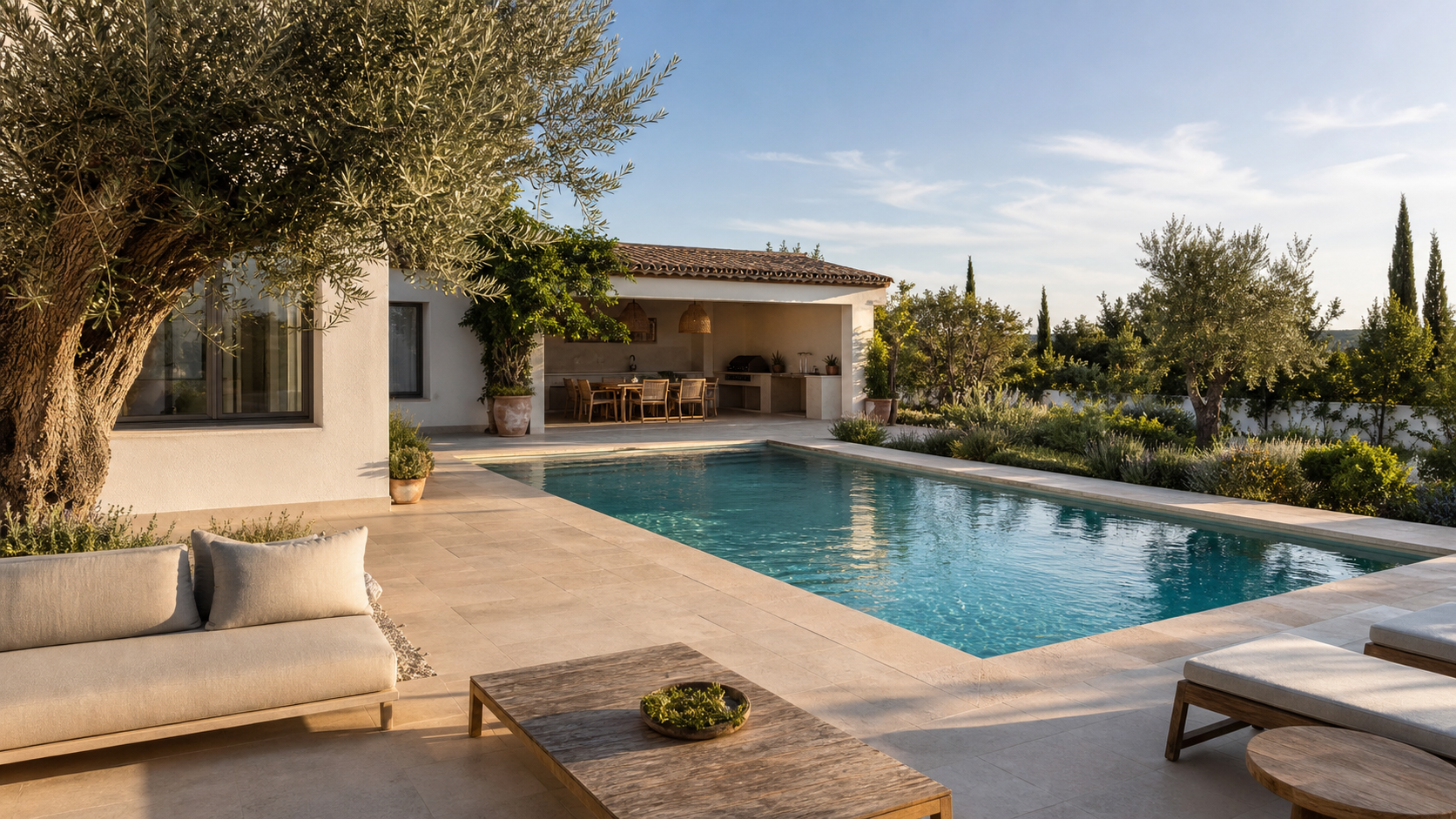
Detached house in the Camp de Túria
Whole house taken on: the ground floor reconfigured to bring kitchen and living room together, every service replaced, the façade clad in natural stone and the ground around the pool put back in order. What the family wanted was light and as little upkeep as possible.
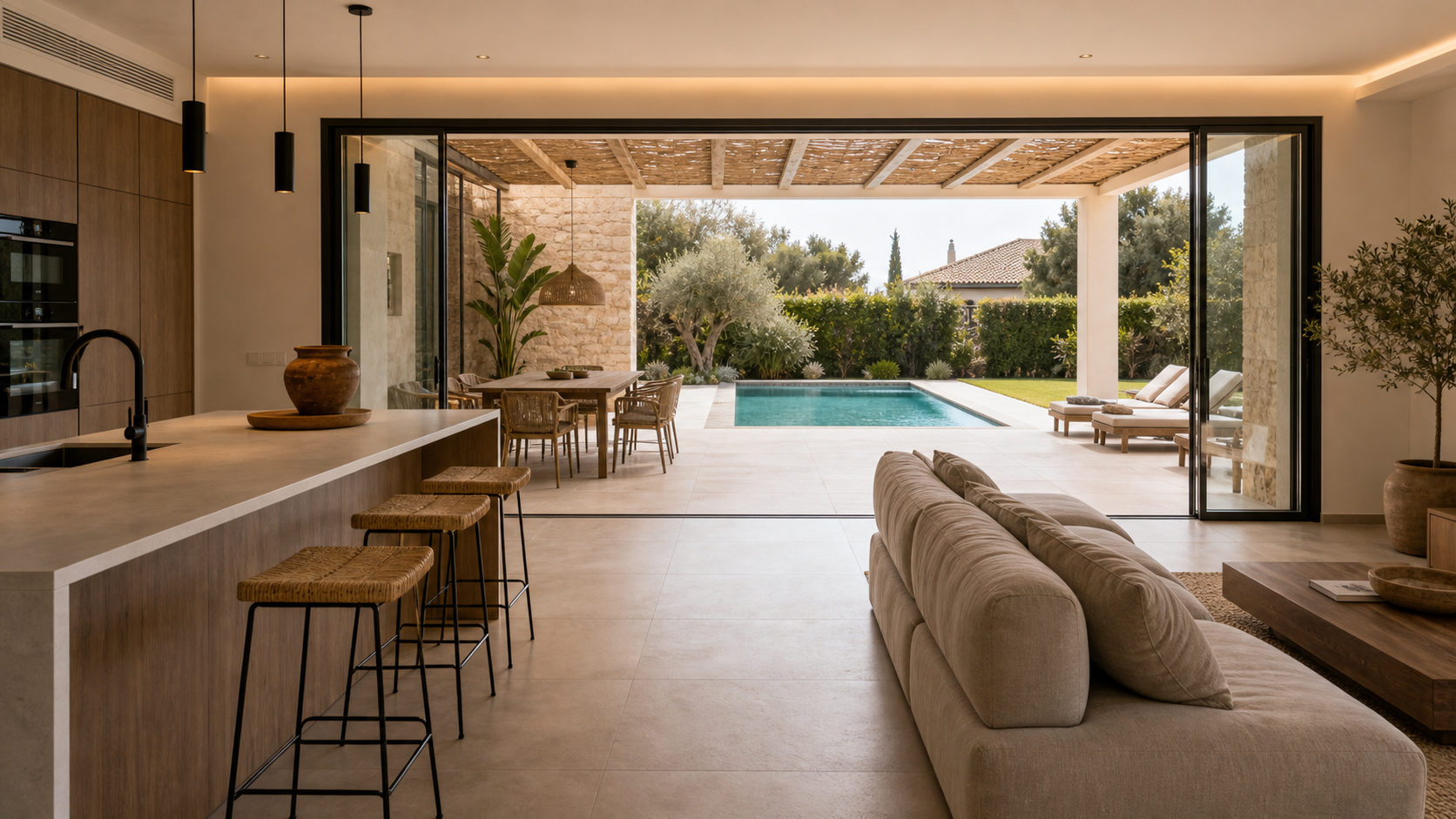
Home with an open-plan kitchen
The walls between kitchen, living room and dining room came out to leave one space running through to the terrace. Continuous flooring, wide joinery and daylight from one façade to the other, where there had been three small rooms and a corridor.
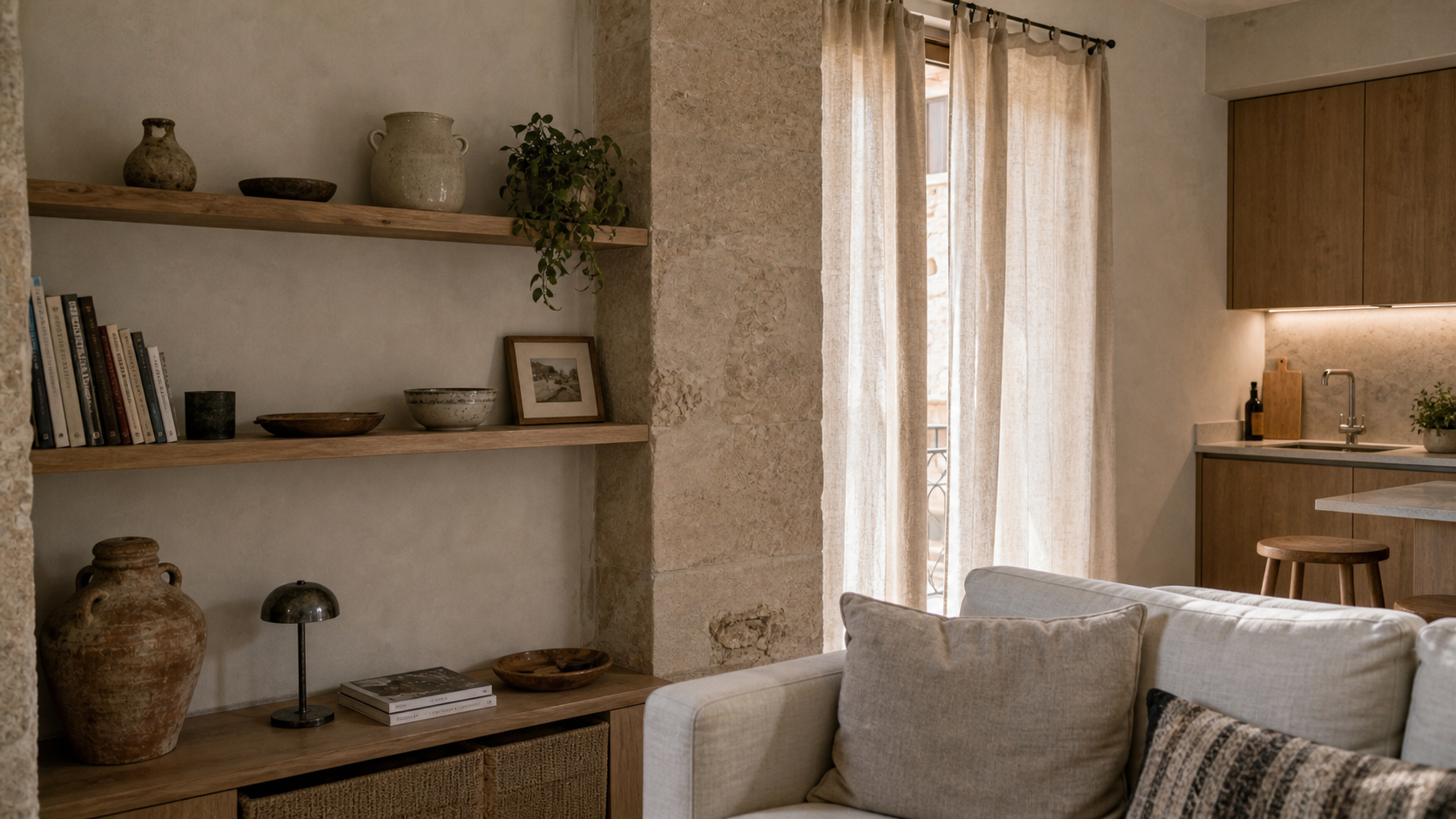
House finished in natural materials
A Mediterranean vocabulary throughout: timber, natural stone and warm tones. Services and insulation renewed behind the scenes, the kitchen folded into the living room, and every piece of joinery made for its own wall.
There is more finished work, room by room and with the numbers attached, in our projects.
09 Quality levels
Materials and finishes
We steer you towards materials that earn their place: how they look, but also how they wear and how much of your Saturday they will ask for.
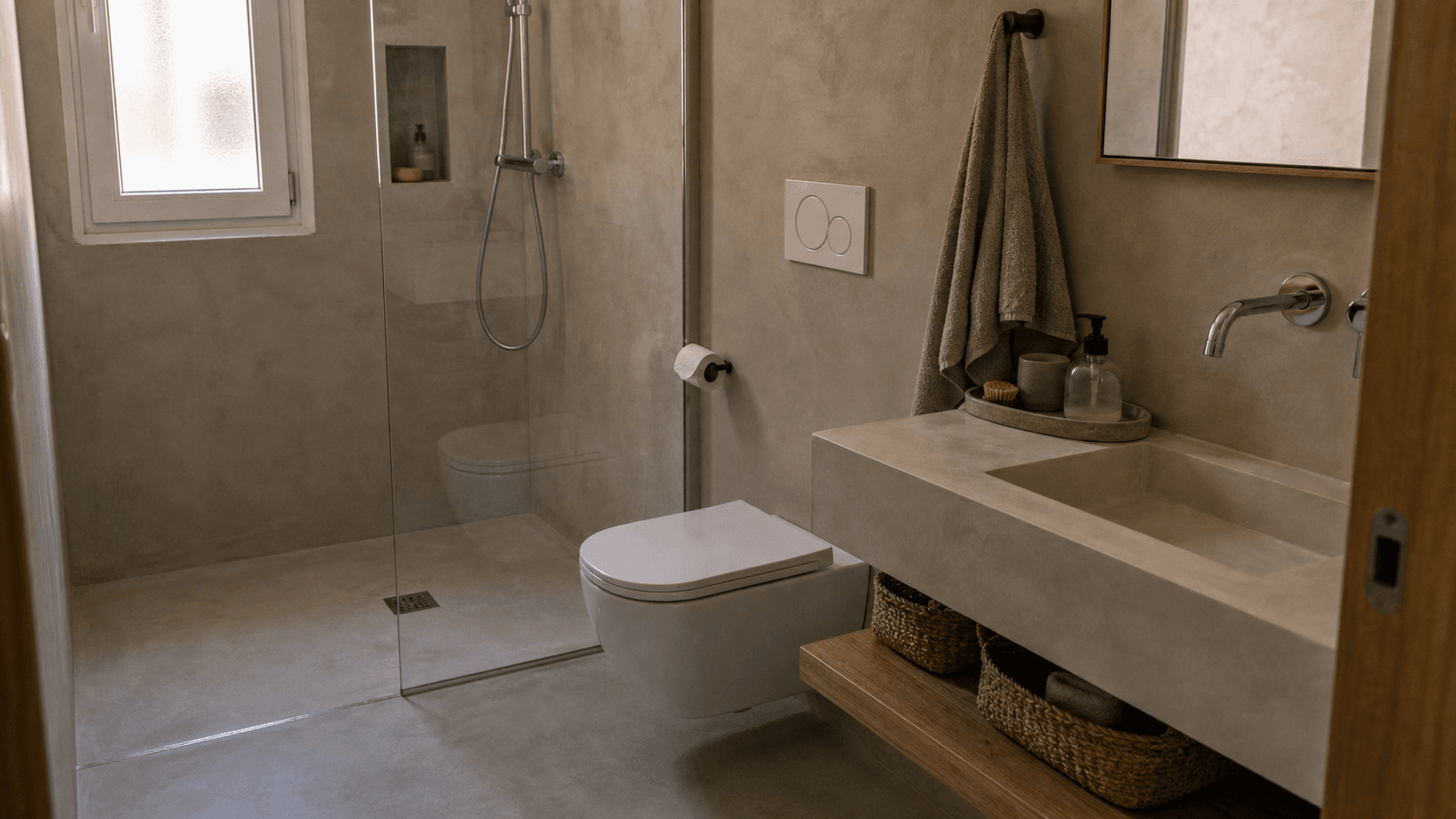
Floors
Large-format porcelain, microcement, heavy-duty laminate or natural timber, chosen room by room according to how hard each one is used.
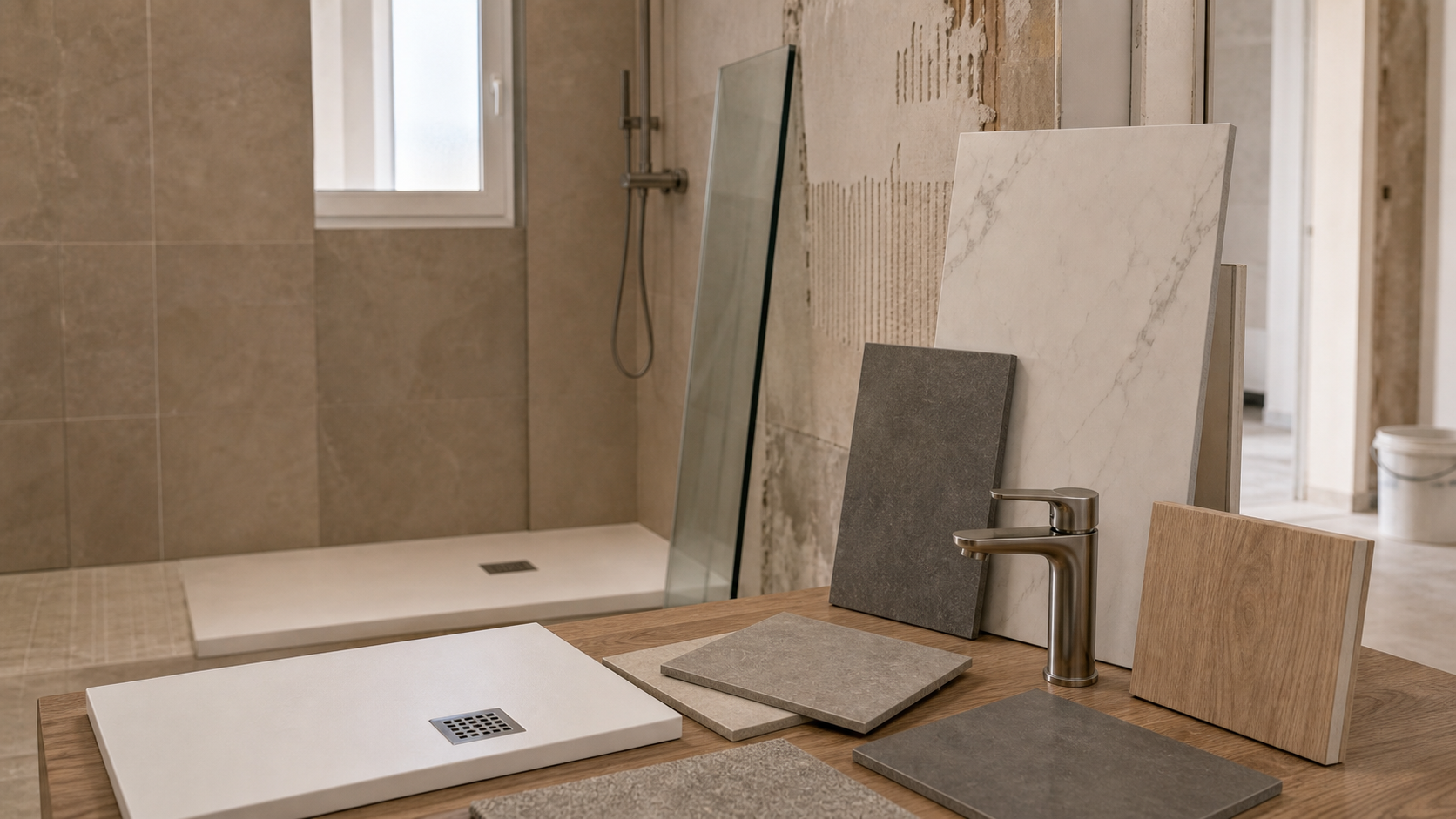
Kitchen and bathrooms
Quartz, Dekton or porcelain worktops, wall-hung sanitaryware, shower screens made to measure and thermostatic taps that hold their setting.
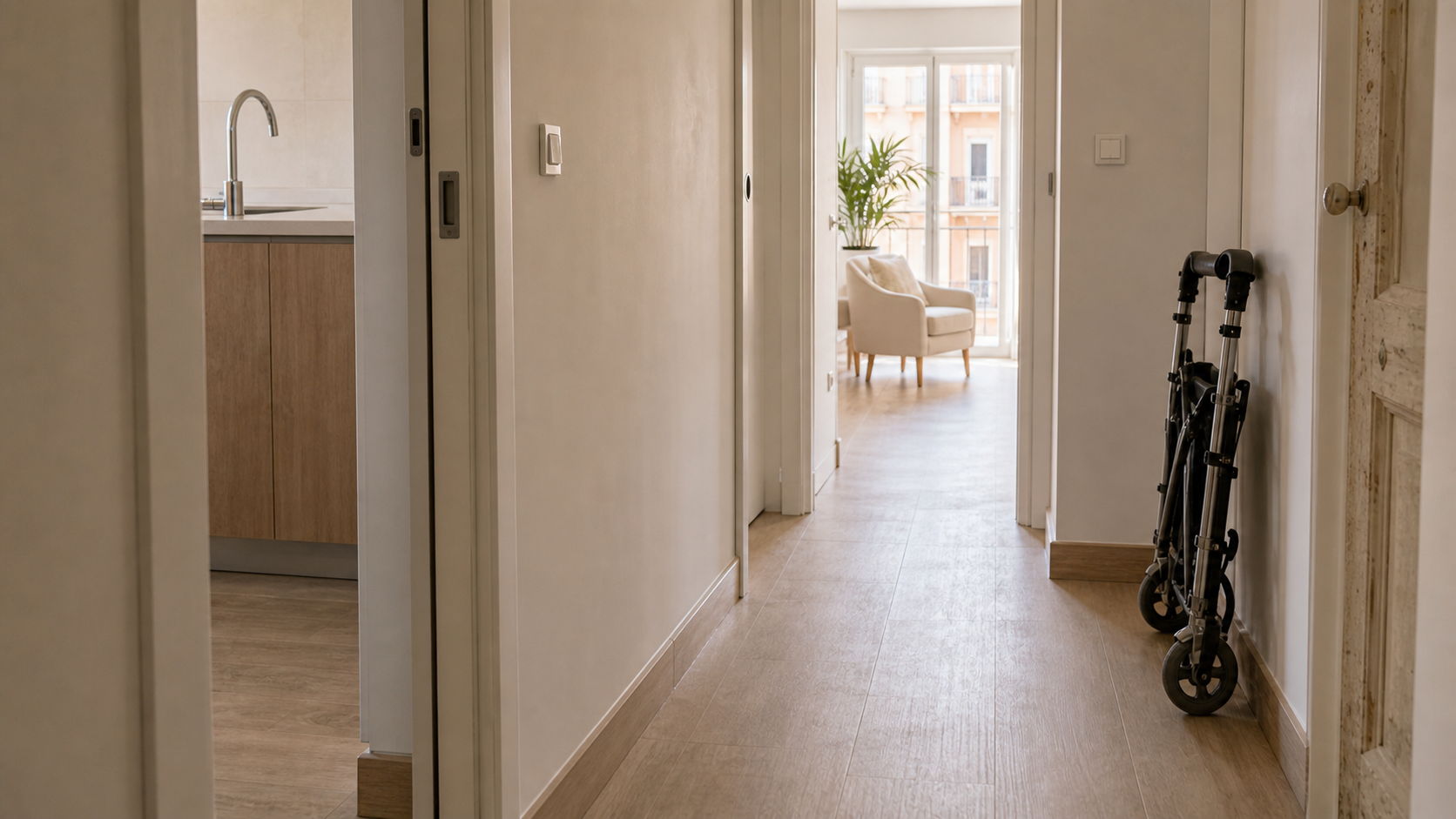
Joinery
Lacquered or timber doors, wardrobes built into the wall they belong to, and windows with a thermal break that changes what the house feels like.
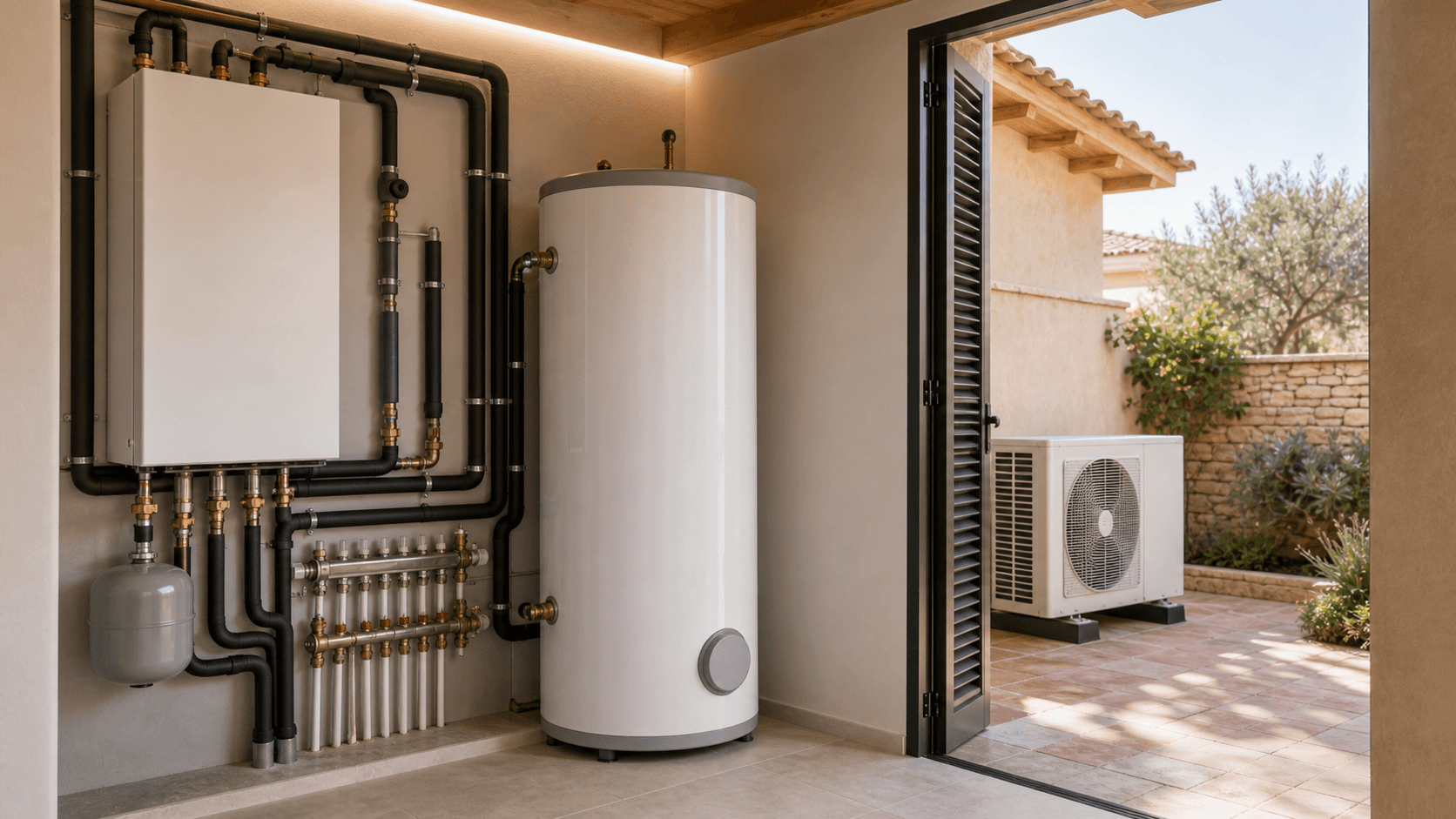
Climate
Ducted air, air-source heat pumps and underfloor heating, sized properly so the house is comfortable in February and in August.
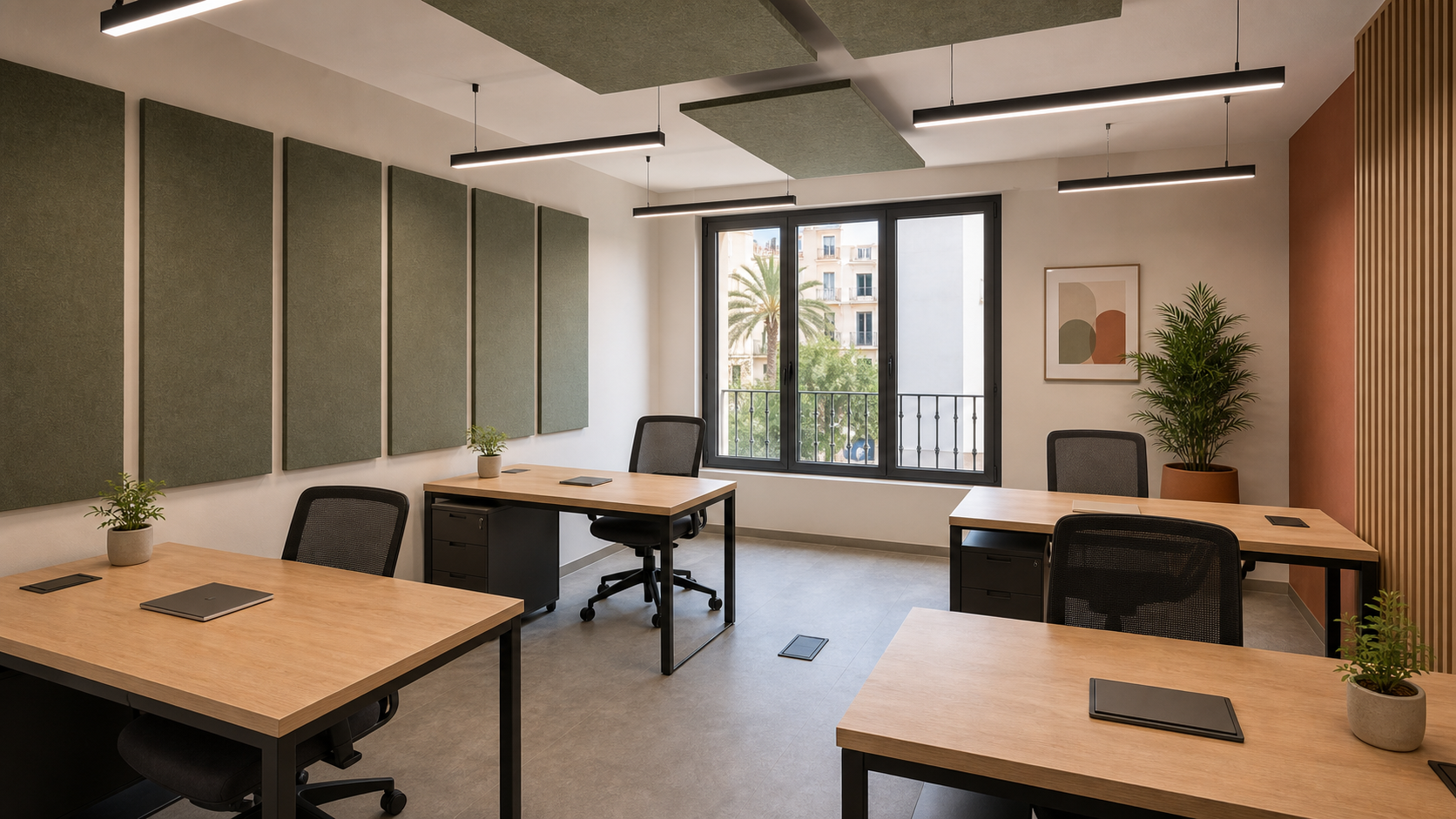
Lighting
Light in layers — general, task and atmosphere — so a room at eight in the morning and the same room at ten at night are not the same room.
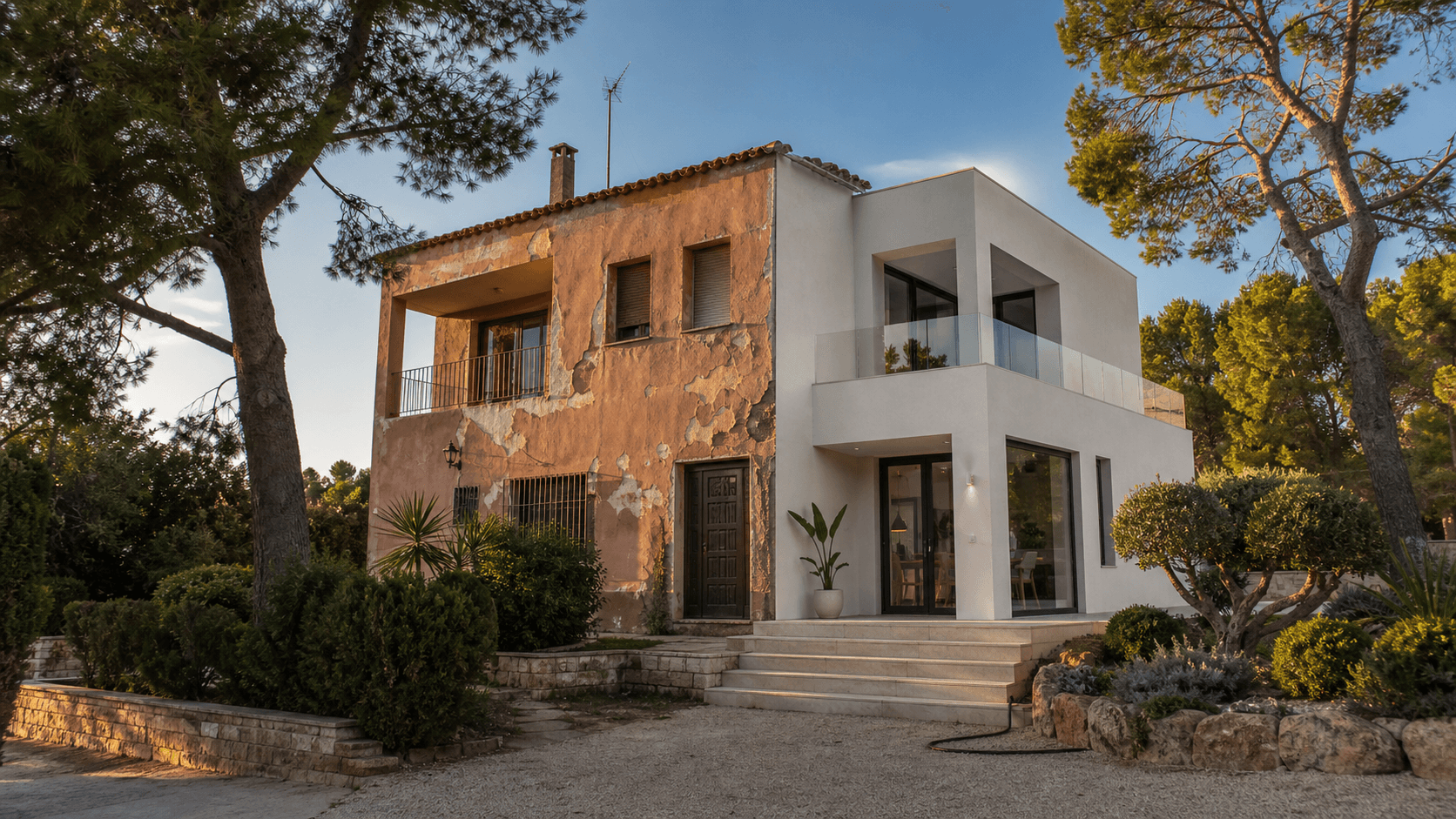
Natural materials
Stone and wood used where they earn their keep, which is most of what gives a house around here its Mediterranean character.
Choosing all of it at once is the part people find hardest. If you would rather it were drawn properly first, our interior design works inside the same project, so what is drawn is what gets built.
More than looks
The renovation that also lowers the bills
A full renovation is the cheapest chance you will ever get to fix what the house costs to run, for the simple reason that everything is already open. Walls are stripped, ceilings are down and the floor is up. Doing it then costs a fraction of doing it as its own job in five years.
Swapping the windows for thermal-break frames with double glazing, adding insulation to façade and roof, and replacing a tired boiler with an air-source heat pump or underfloor heating change what you pay to heat and cool the house. In a detached property, where so much more of the building touches the outside air, the difference is on another scale altogether.
It is not about spending more. It is about spending where you will notice it — in comfort, in quiet and in a smaller bill every month. We will tell you which of those improvements is worth doing in your house and which can safely wait for a second phase.
10 Before you start
Mistakes worth avoiding
- Starting on site without a design and a written, itemised price for the whole house.
- Hiring trade by trade with nobody responsible for making the pieces meet.
- Buying the cheapest wiring, pipework and waterproofing, all of which end up buried.
- Leaving thermal and acoustic insulation out because it does not show in a photograph.
- Changing your mind mid-phase without anybody recosting the date or the price.
- Treating the town hall paperwork as an afterthought instead of the first job.
Gallery
Houses renovated by Batecs
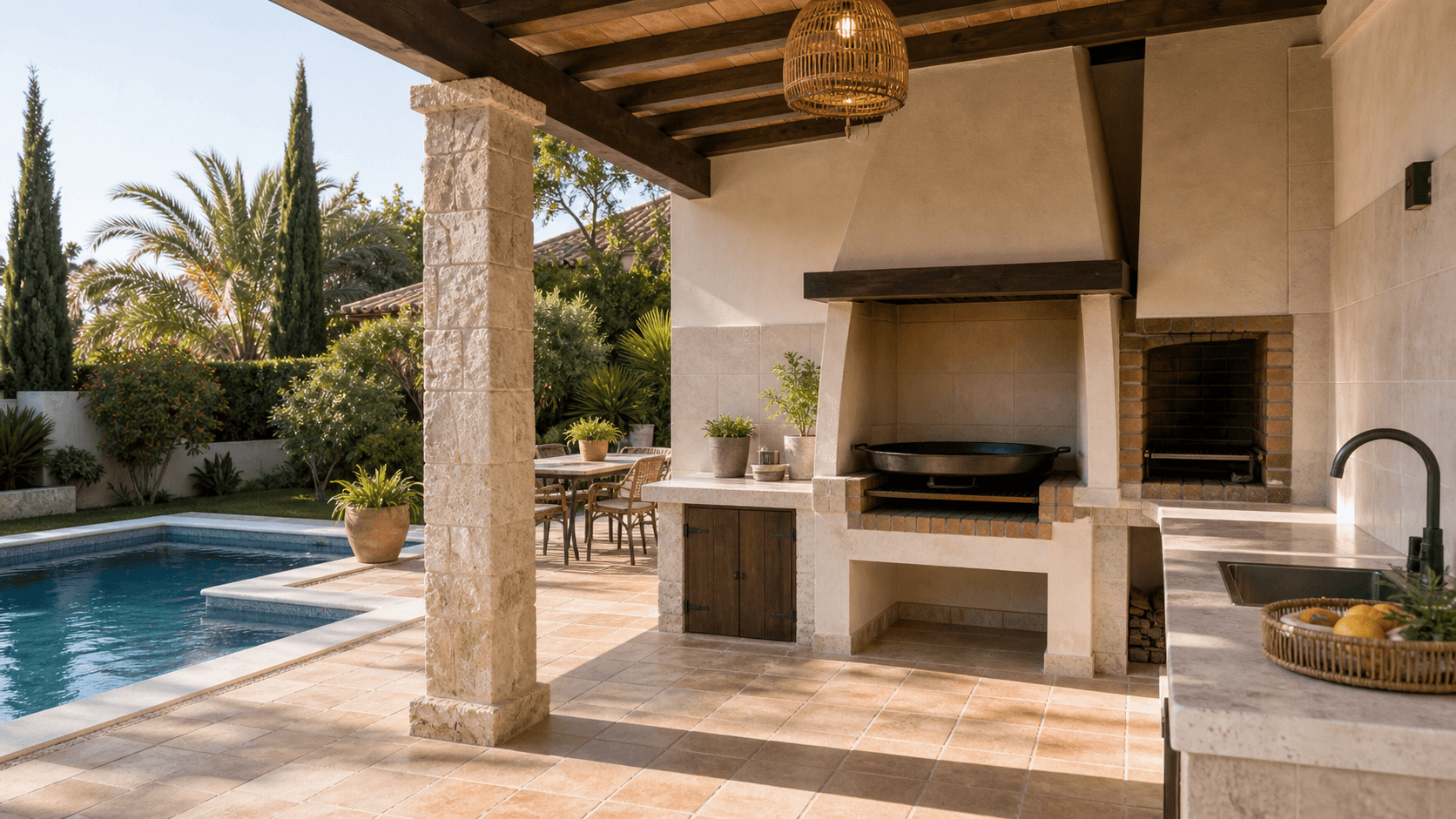
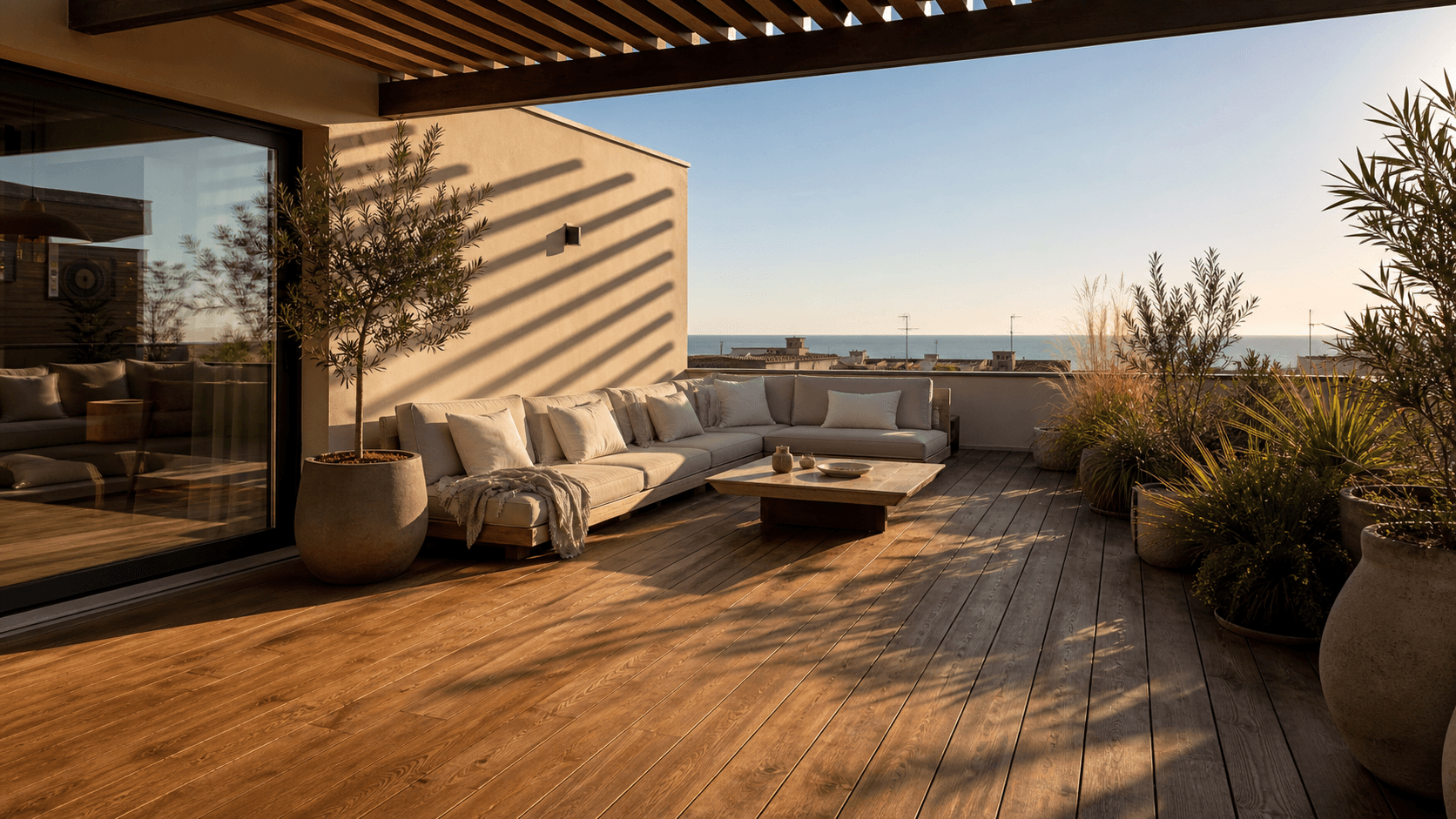
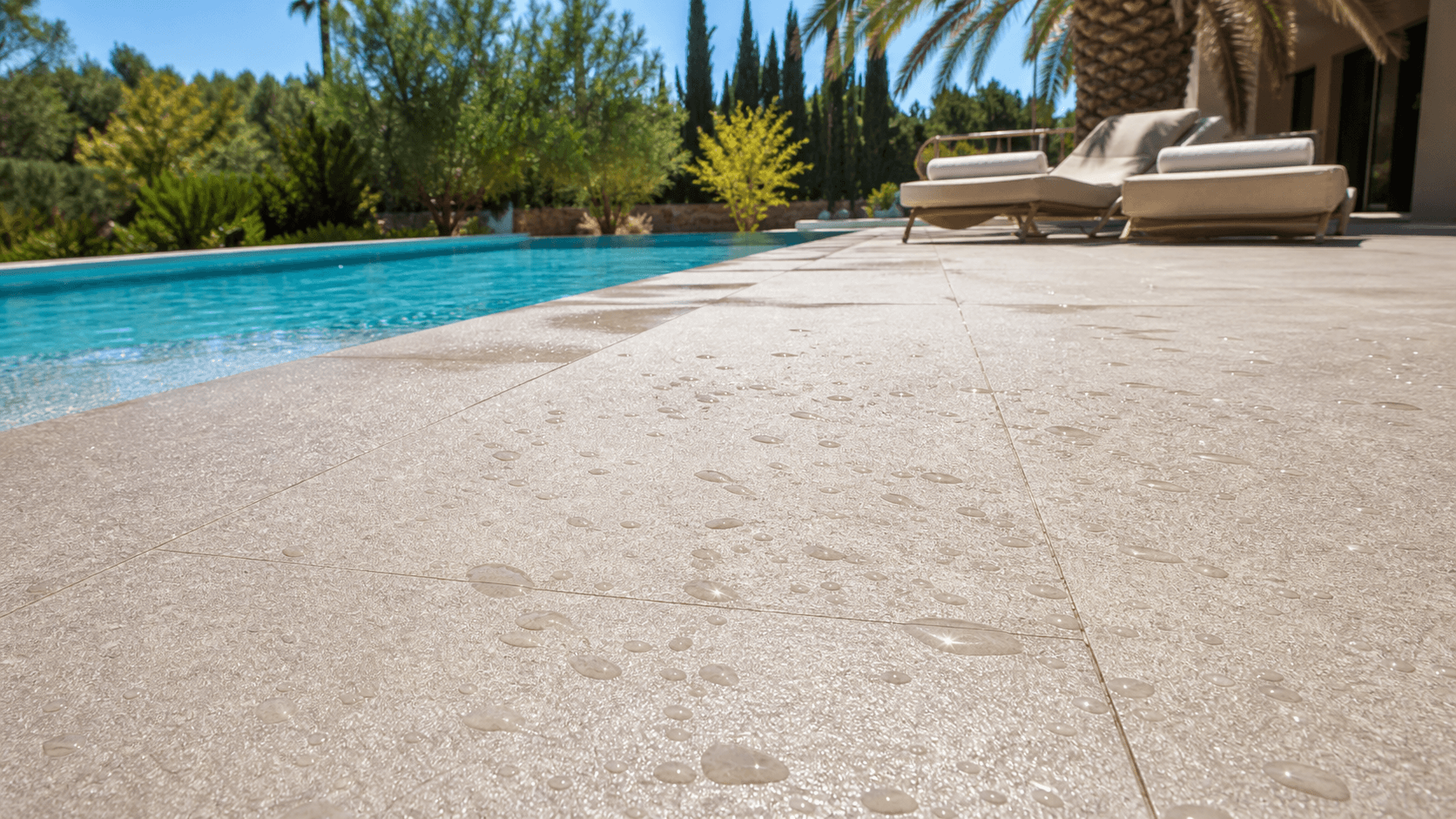
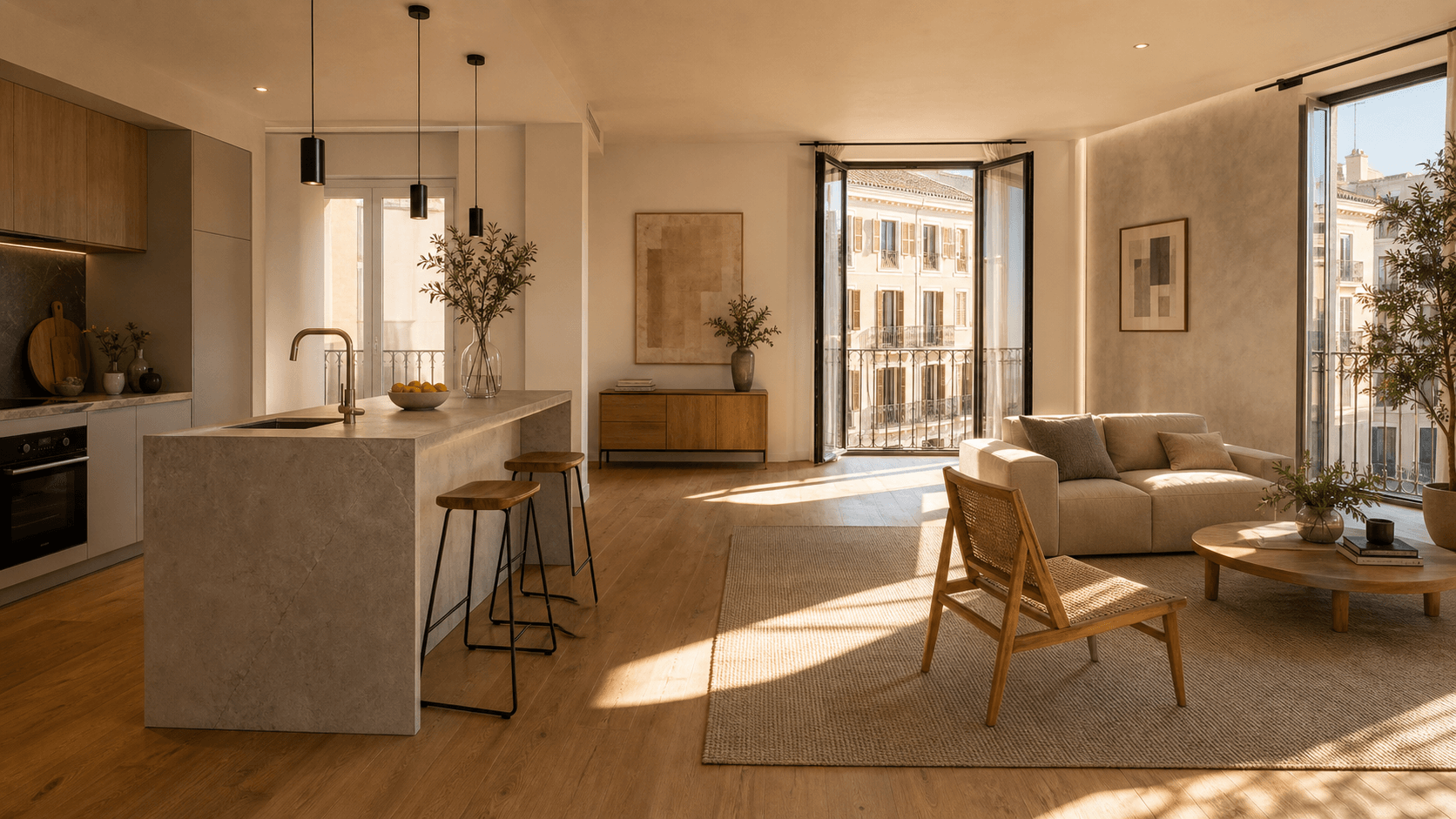
Finished Batecs work across Valencia and the Camp de Túria, inside and out — real projects, some shown as faithful renders to protect our clients’ privacy.
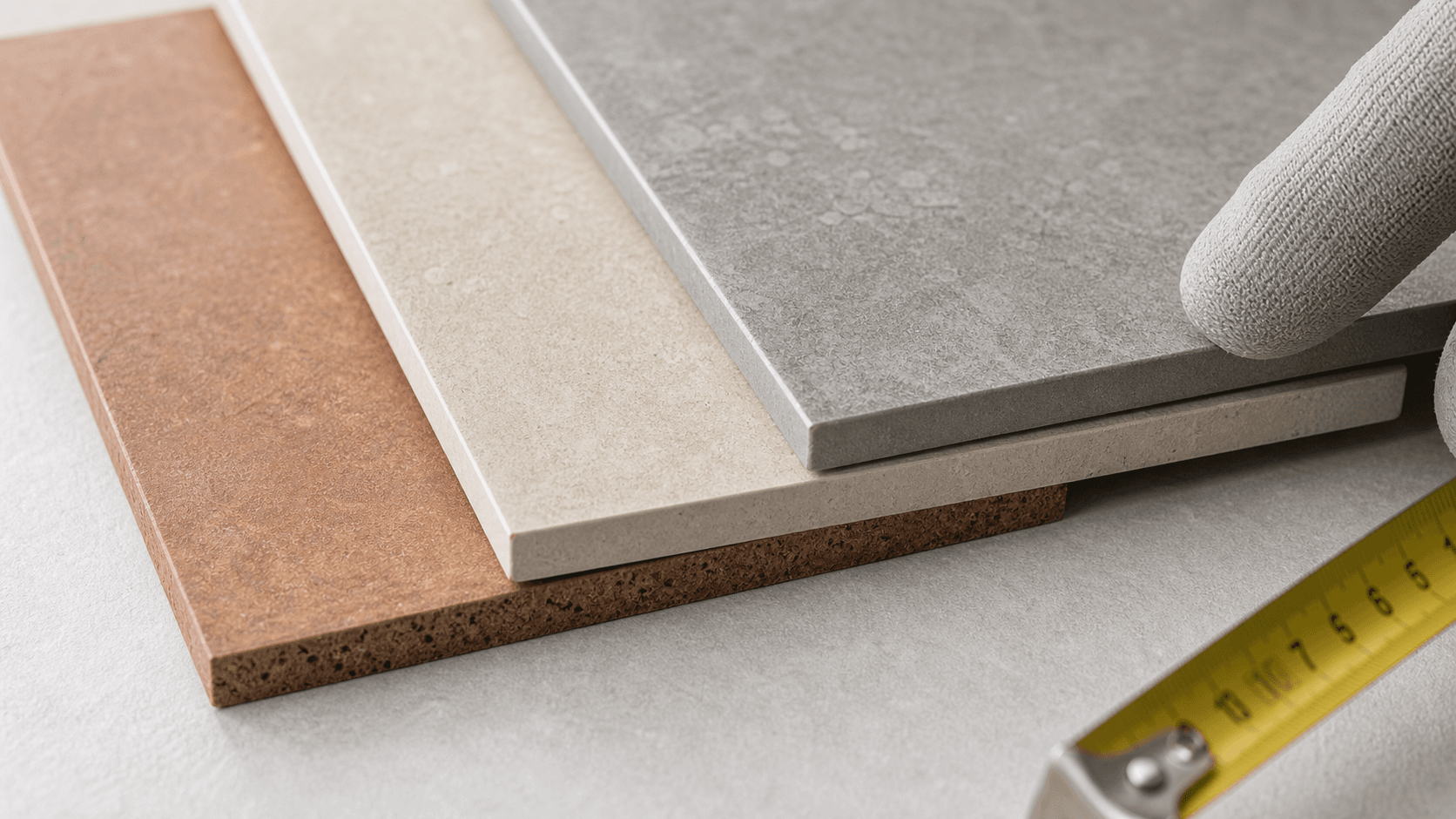
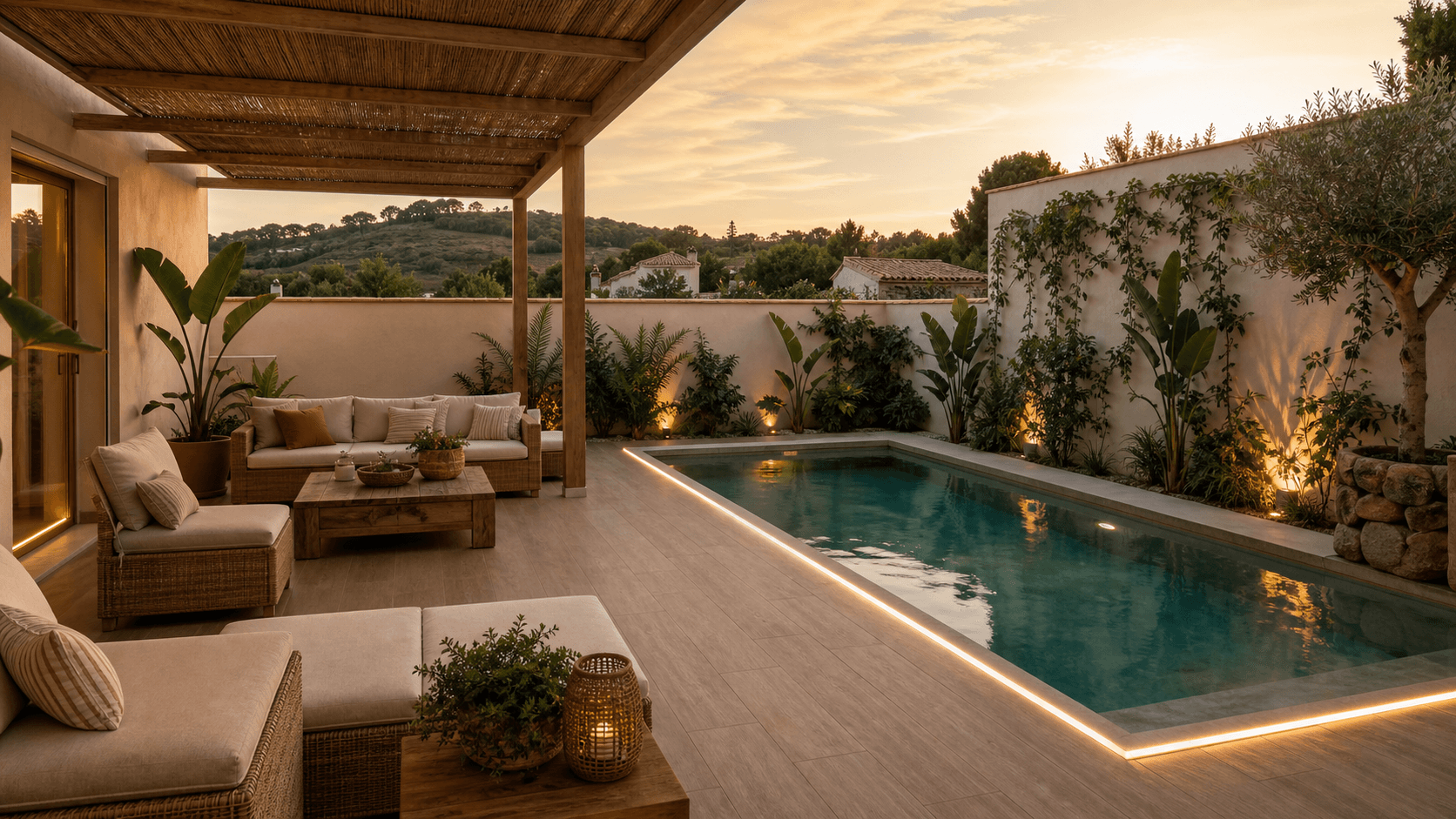
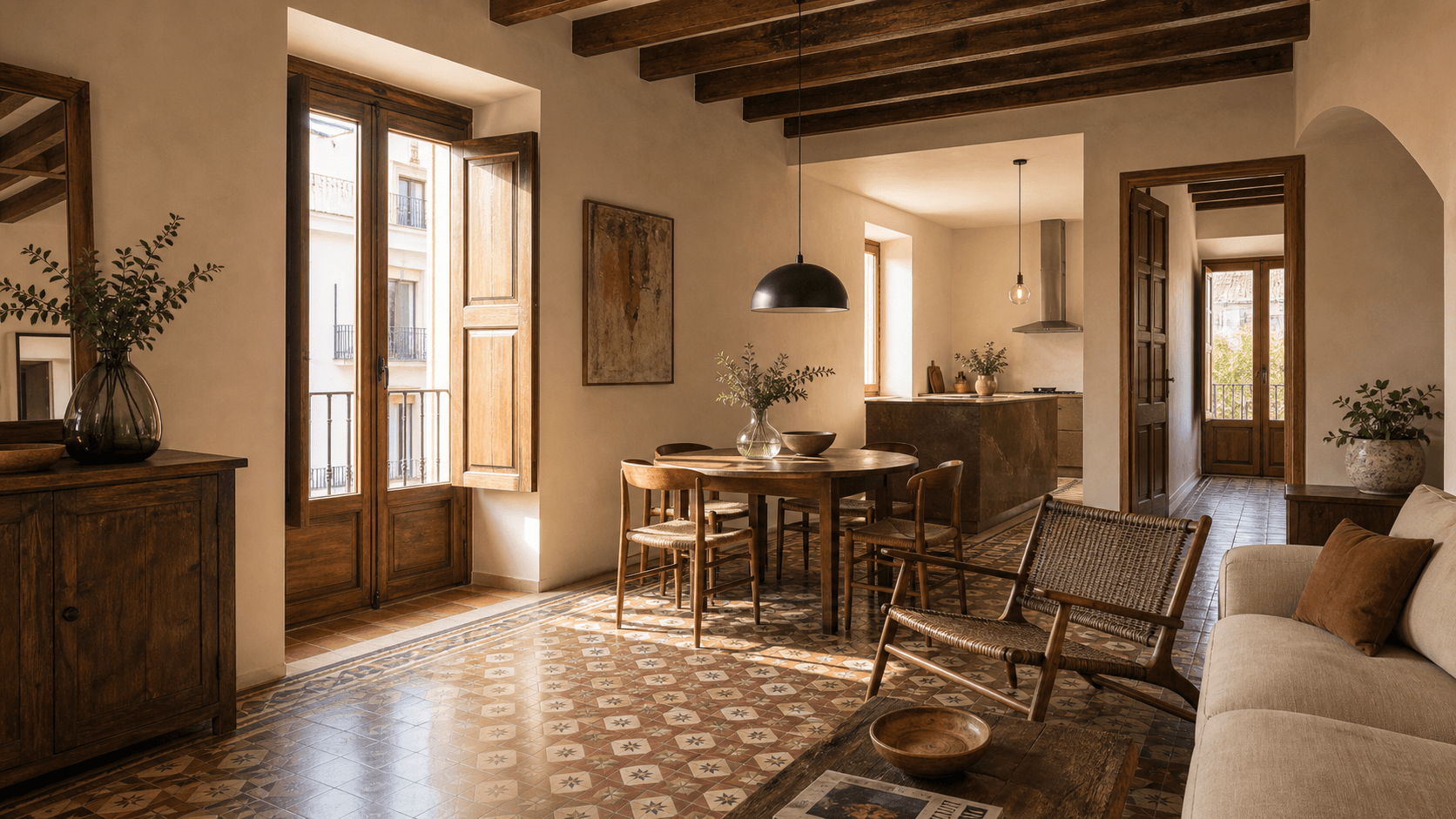
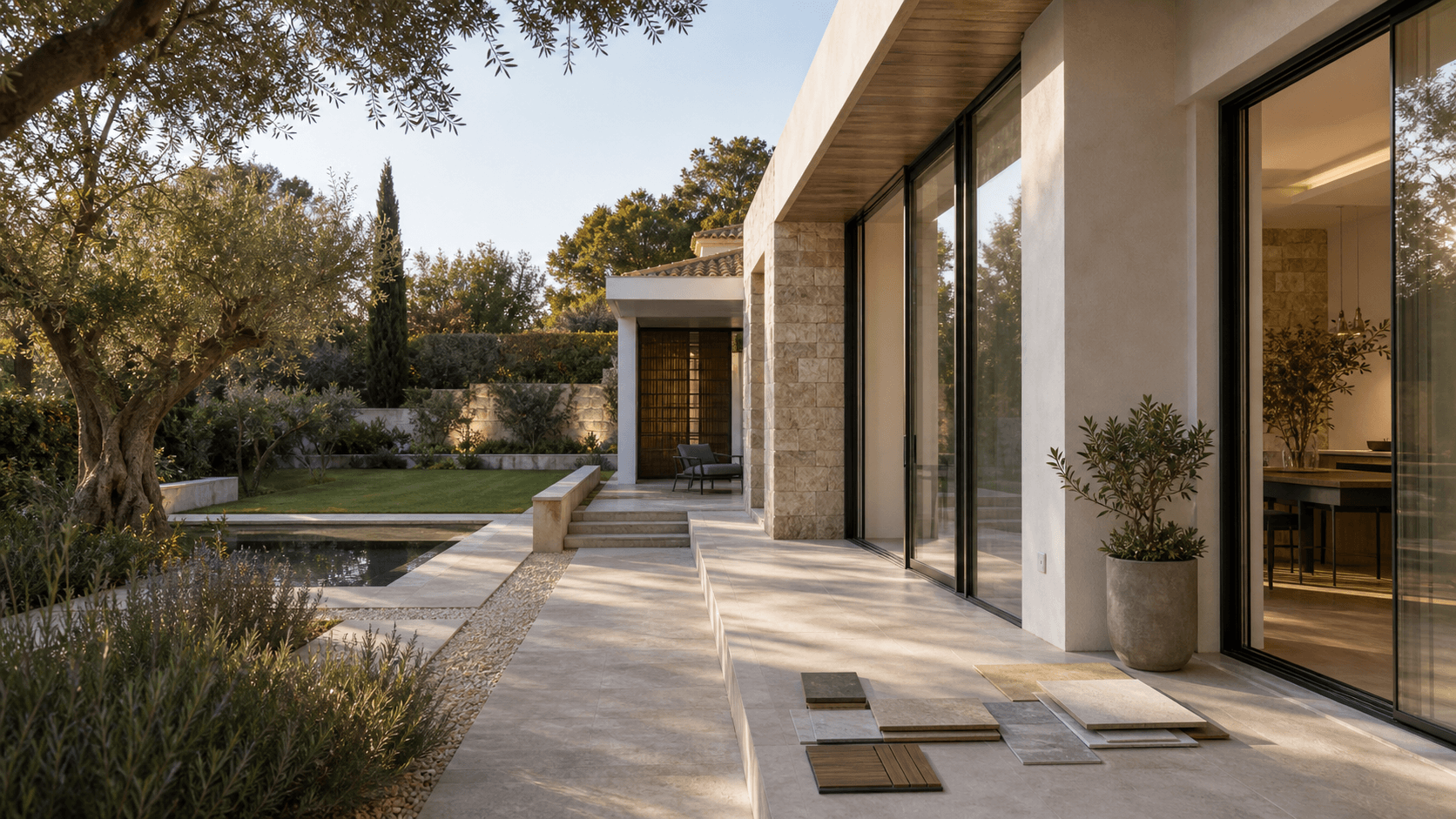
← Swipe for more examples →
Related projects
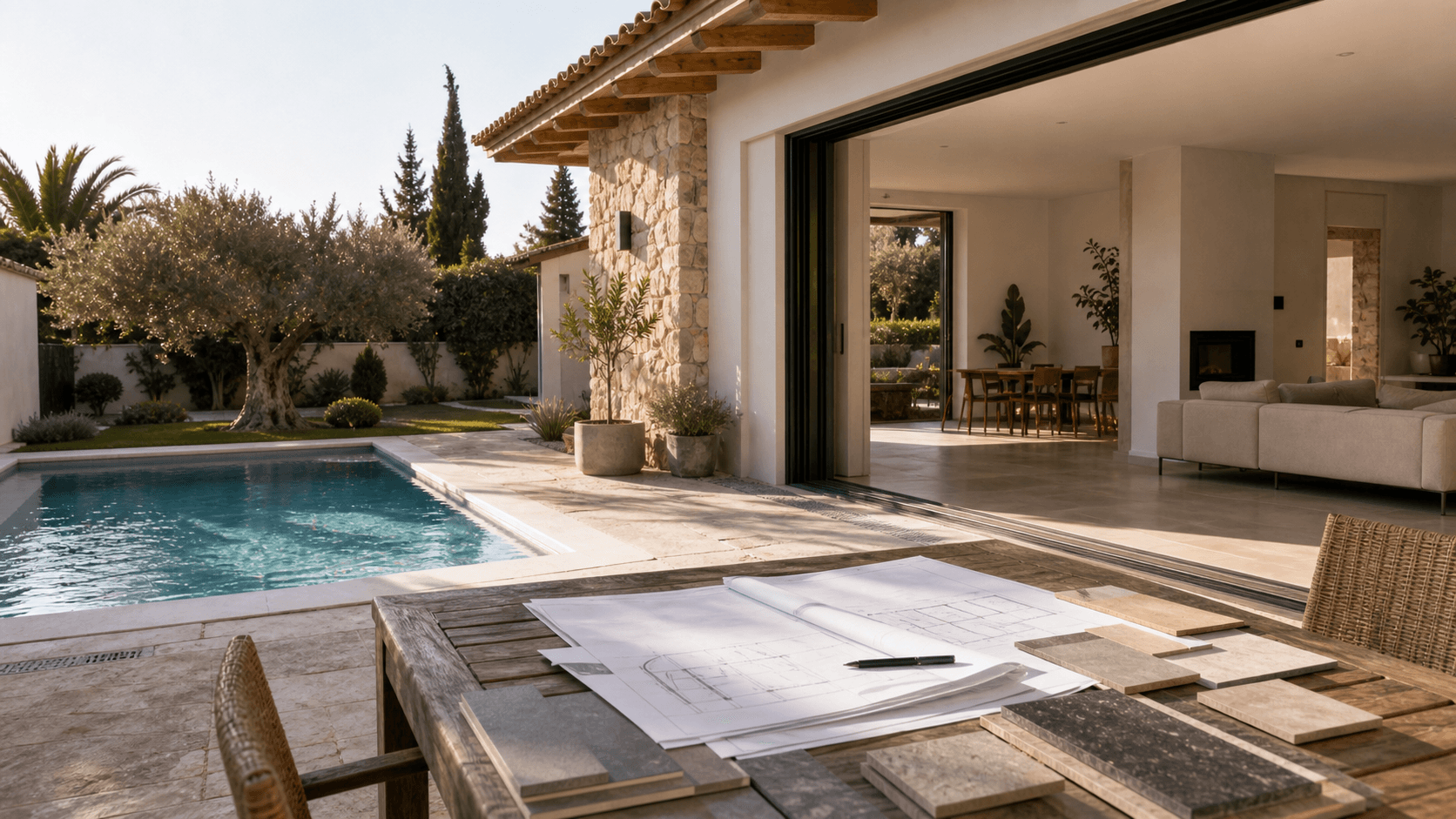
Three finished jobs you can look through
Open any of them for the size, the timescale and where it was.
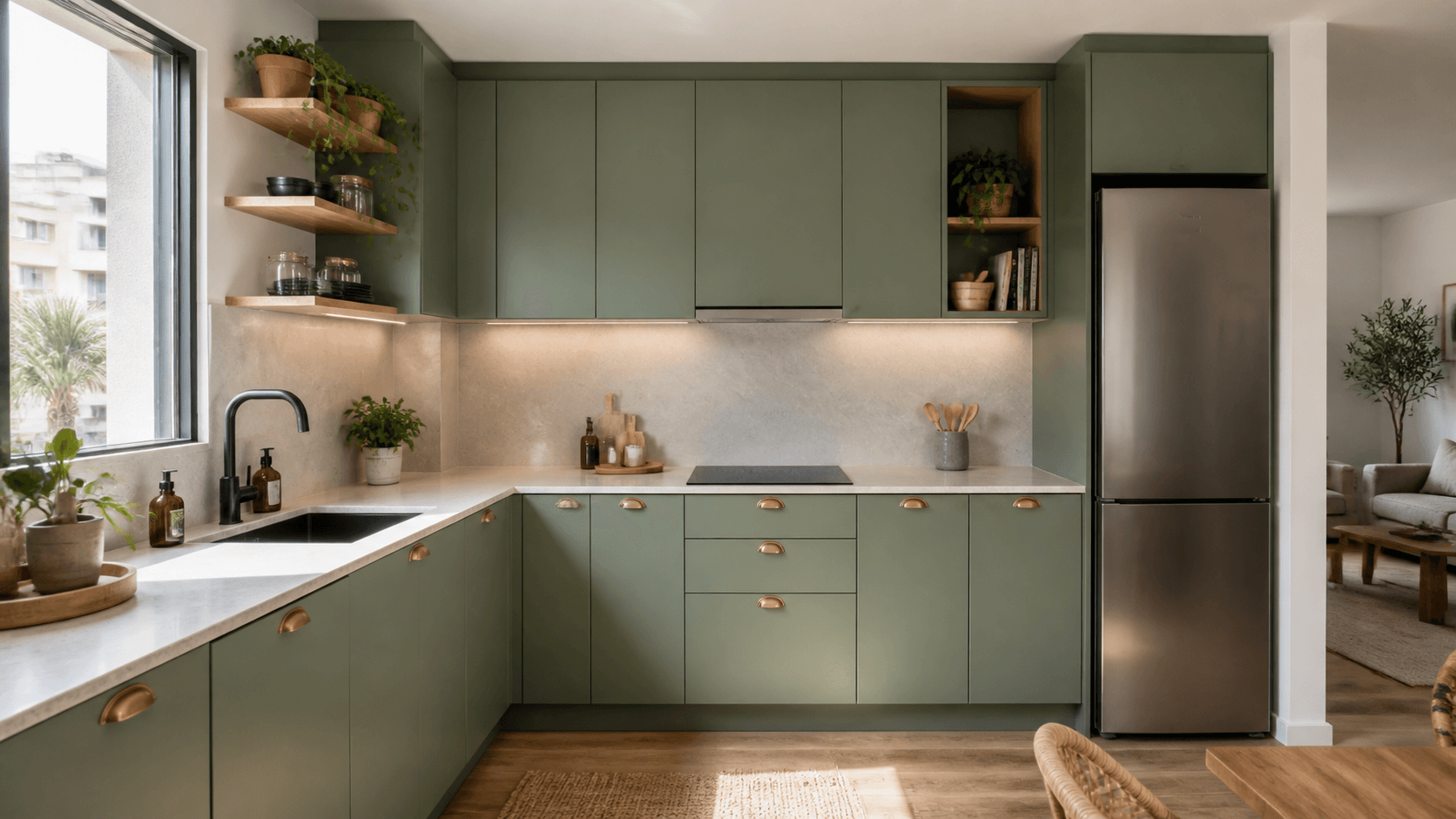
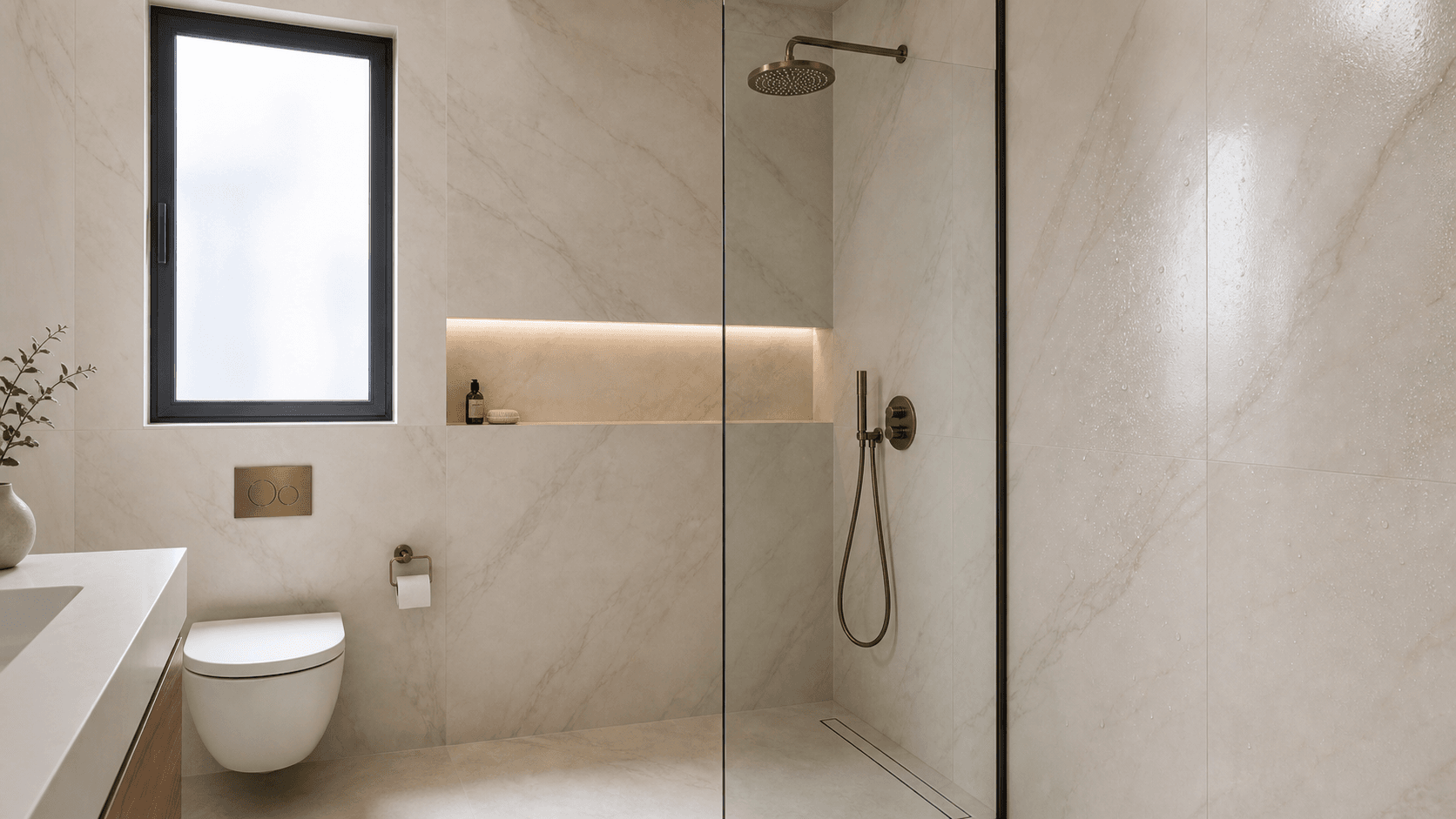
Coverage
Where we take on full home renovations
We work out of La Eliana — inside the residential belt that grew up around the international schools, not an hour’s drive from it. From there we cover the rest of the Camp de Túria, the city of Valencia and the towns of l’Horta.
The Camp de Túria, where we are based
Valencia city and l’Horta
Before you commit
Frequently asked questions about full home renovations
How much does a full home renovation cost in Valencia, per m²?
As an indicative market reference, a whole-house renovation in Valencia runs from about €400–€600 per m² for a refresh of the finishes, through €600–€900 per m² for a mid-range job with new services and rebuilt kitchen and bathrooms, up to €900–€1,400 per m² or more at the high end with the layout redrawn, a heat pump and fine materials. What pushes you up or down that scale is the condition you are starting from, how much of the plan changes, how much of the wiring and plumbing has to go, and the quality you pick for floors, joinery and the wet rooms. Access counts too: getting materials into a fourth-floor flat with no lift is a real cost. Those are ranges for orientation, nothing more — your own figure is fixed after we have walked round the house.
How much does it cost to renovate a 100 m² flat, or a whole villa?
As an order of magnitude only. A 100 m² flat taken to a mid-range standard lands somewhere around €60,000–€90,000, and the same flat with the finishes refreshed rather than replaced nearer €40,000–€60,000. A villa is a different sum altogether, because the façade, the roof, the terrace and usually a pool come into it, and the rate per square metre sits higher; the breakdown for that is on our villa renovations page. None of those numbers is a quote. Two flats of the same size in the same street can be twenty thousand euros apart depending on what is behind the walls, which is why the real figure only appears after the site visit.
Can you renovate a village house?
Yes, and they are among the most rewarding houses to work on. They are also the ones where looking before pricing matters most. A village house (casa de pueblo) usually brings load-bearing walls that cannot simply come down, timber floor structures that need checking beam by beam, damp rising through the ground-floor walls, ceiling heights that change from room to room, and a patio somewhere in the middle that is either the best thing about the house or the reason it is dark. None of that is a problem in itself. It does mean we will not put a price on one from photographs: we come and read the structure first, and the quote follows from what we find.
How long does a full home renovation take?
That turns on size and on how much you are changing. A medium-sized house normally runs 8–14 weeks on site, with the design and the licence dealt with before that clock starts. The proposal sets out the phases and the dates we intend to keep. What actually delays a renovation is rarely the building work: it is decisions left open — a tile not chosen, a kitchen not ordered — so we ask you for them early and put them in writing.
Can I keep living in the house while the work goes on?
On a full renovation it is rarely comfortable, because the whole house is open at once: no kitchen, water off for periods, dust in everything. If it has to happen we can phase the job and keep part of the house sealed off and liveable, though that stretches the programme and adds to the cost. We work it out with you on the site visit, before any dates are set.
Do I need a building licence, and do you deal with the town hall?
It hangs on what you are actually doing and on which town hall the house sits under. Heavier work — structure, layout, anything that changes the built volume — normally goes in under a building licence; lighter work under a responsible declaration. Either way we put the file together and lodge it, then tell you in English what each document says and roughly how long that particular town hall tends to take. No two town halls handle it identically, so we check with your own before we commit to a date.
Who is actually in charge on site?
One Batecs site manager, from the first day to the last. They set the order of the trades — building work, plumbing, electrics, joinery, painting — check each phase as it closes and are the person you ring about anything at all. You are never passed between five numbers trying to find out why the tiler has not turned up.
Can the price go up part-way through?
Not from our side. The quote is fixed and itemised, and that is what you pay. Two things can move it: you decide to add something, or we open a wall and find something nobody could have seen — a soil pipe that has gone, a beam eaten through. In either case the work stops, the extra is priced on paper, and nothing proceeds until you have said yes.
What happens if something needs putting right after handover?
We answer for the work carried out and for the materials, under current Spanish law. What matters more in practice is who turns up. Because the people on your job are our own team rather than a rotating cast of subcontractors, whoever comes back to adjust a door or chase a drip is the person who fitted it in the first place. You are not handed a supplier’s number and left to explain the problem yourself.
Do you renovate flats bought to move straight into, turnkey?
Yes, and it is one of the jobs we do most. You buy the flat, we strip it back, rebuild it and hand it over clean, with the appliances in, the lights working and nothing left on a list. It is also where a fixed price earns its keep, because you are usually paying to live somewhere else while the work runs and you need to know both the number and the date.
Will you work alongside my architect or interior designer?
Not a problem. If you already have one, we build to their drawings and keep them in the loop as each phase closes. If you do not, we can take the design on ourselves — the advantage being that the people drawing it are the people who then have to build it, so nothing turns up on site that cannot actually be done. There is more about that on our interior design page.
We are torn between renovating and moving. What do you tell people?
If you like where the house is, it has the space you need and the structure is sound, renovating usually comes out ahead once the buying costs, the fees, the removals and the months of viewings are counted in. You also end up in the street you already chose, in a house shaped around you rather than around whoever lived there before. And when the answer is honestly no, we say so on the visit: we would rather lose a job than build the wrong one.
How do I know a building company is what it says it is?
Four checks, and they take an afternoon. Ask for the quote in writing and itemised, not a single figure on one line. Ask who will physically be on site and whether they are the company’s own people. Ask for the name of the one person responsible for your house. And look at work they have finished near you rather than a folder of stock photographs. Anyone who gives a fixed price down the phone without seeing the property is guessing, and the guess ends up on your bill. The rest of the checks — invoices, paperwork, paying in cash — are set out on our page for English-speaking builders in Valencia.
Do you take the design on as well as the build?
Yes. Layout, quality levels, the lighting plan and the drawings can all come from us inside the same contract, or we can pick up somebody else’s project and build that. Doing both under one roof removes the argument that eats most renovations: the moment a drawing turns out not to be buildable and everybody points at somebody else.
Which areas do you carry out full home renovations in?
Valencia city, La Eliana — where our yard is — and the towns of the Camp de Túria and l’Horta: Bétera, Godella, Rocafort, San Antonio de Benagéber, La Cañada, Paterna, Llíria, Riba-roja de Túria, La Pobla de Vallbona, Moncada and Alboraya among them. The full list, town by town, is on our areas we cover page.
In short
A full home renovation in Valencia renews the entire property — layout, services, kitchen, bathrooms, floors, joinery and finishes — with one site manager carrying it and one fixed written quote behind it. The work is done by our own in-house team, the town hall file is ours to deal with, and the house comes back to you turnkey, every stage of it explained in English.
As an indicative market reference the work sits between €400–€600 per m² for a refresh and €900–€1,400 per m² at the high end, with mid-range jobs in between. The figure for your own house is fixed after the site visit and does not move afterwards.
Let’s talk about the house
Put the whole house on paper before you commit
Tell us how big it is, what state it is in and what you would like it to become. We come out and look at it properly. Then one quote, itemised trade by trade and written in English, inside 24–48 hours — free, and with no obligation on you at all.
+34 632 224 555+34 962 742 447info@batecs.es
Start my free quoteWhole houses are not all we do. There are pages for kitchens, bathrooms, partial renovations, turnkey renovations, new-build homes and concrete pools. The finished work is in projects, and if your house happens to sit in Godella, Rocafort, La Eliana or Valencia city, those pages tell you what we do there.